What Is the Best Insulation Material for Chilled Pipes? A Professional Guide
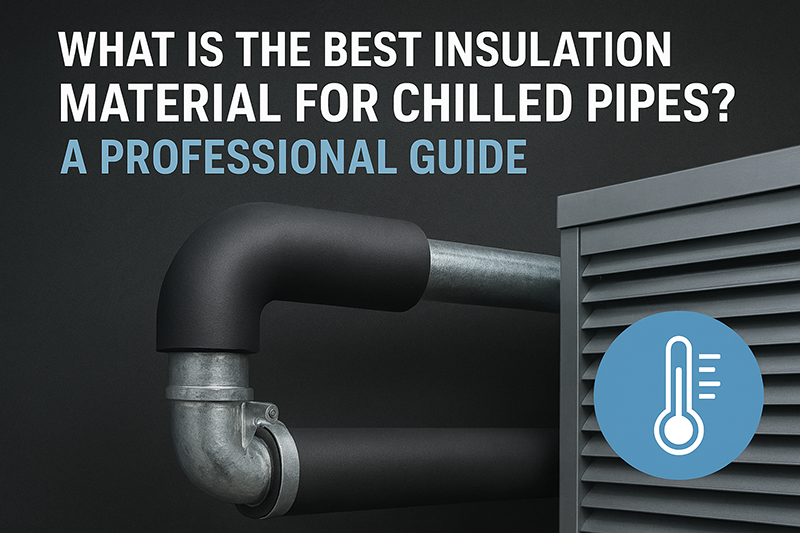
When it comes to chilled water and refrigeration systems, choosing the right insulation material is critical. Proper insulation prevents condensation, reduces energy loss, and protects systems from corrosion under insulation (CUI).
Below is a clear, expert guide based on global engineering practice and ECOIN INSULATION’s export experience.
1. Key Requirements for Chilled Pipe Insulation
Chilled pipe insulation materials must meet several strict criteria:
- Closed-cell structure
- Low water vapor permeability
- Low thermal conductivity (k-value)
- Strong condensation resistance
- Durability & mold resistance
- Easy installation and long service life
2. Recommended Insulation Materials for Chilled Pipes
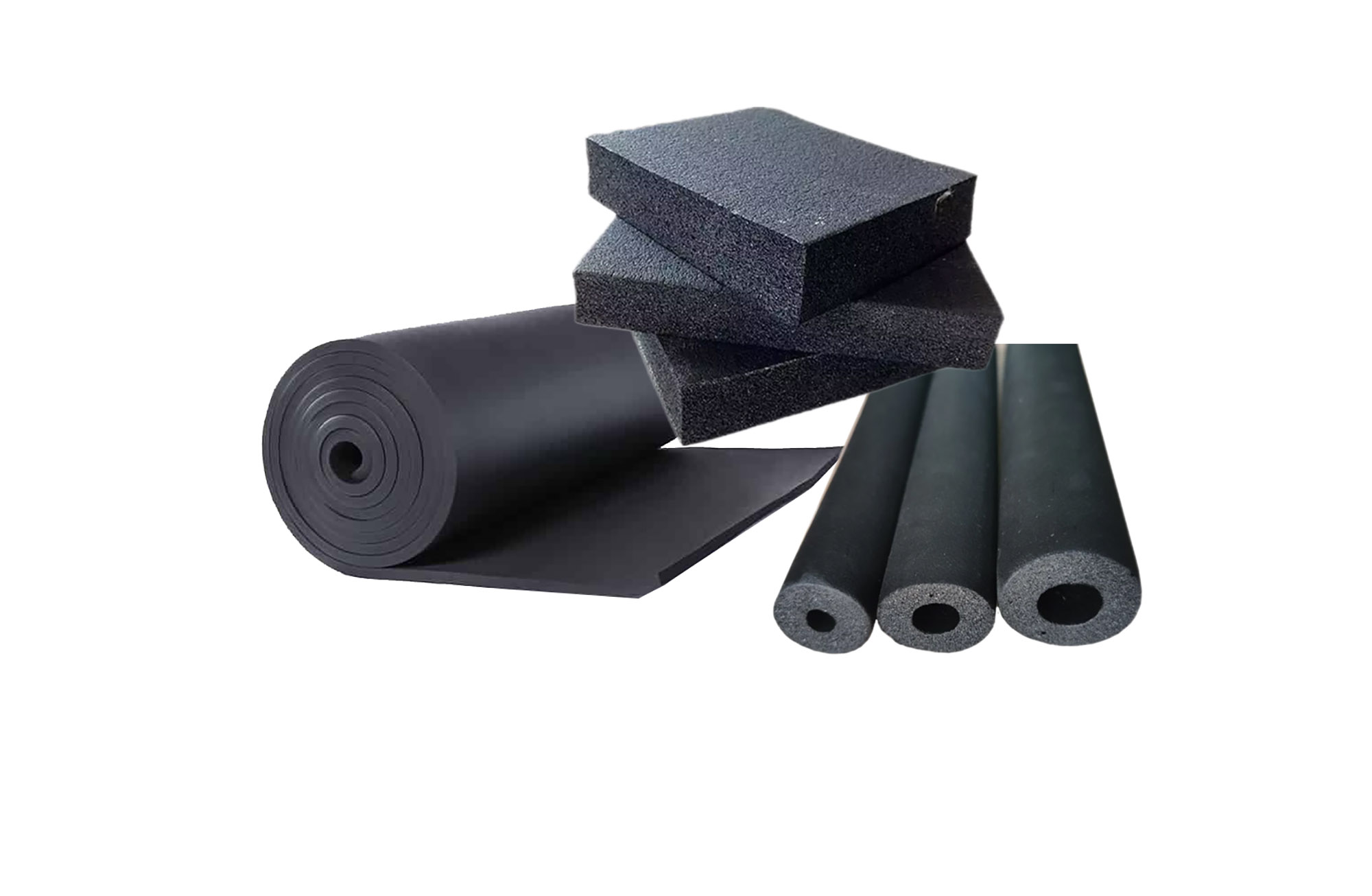
(1) Rubber Foam Insulation (Elastomeric Foam) — Most Common & Highly Recommended
Best for: HVAC chilled water lines, refrigeration lines, VRV/VRF systems.
Why it’s recommended:
- Closed-cell structure provides excellent condensation control
- Very low water vapor permeability
- Flexible, easy to install, suitable for elbows & valves
- Good fire performance when produced as Class 0 / Class 1
- Durable and resistant to mold and mildew
Typical standards: ASTM C534, BS 476, EN 14304
Common thickness: 13mm / 19mm / 25mm
Rubber foam is the most widely used solution globally for chilled pipe insulation due to its consistent performance and cost-effectiveness.
(2) Phenolic Foam Insulation (Rigid) — High Performance for Commercial Projects
Best for: Hospitals, airports, data centers, high-end commercial buildings.
Benefits:
- One of the lowest thermal conductivity values in the insulation industry
- Provides strong condensation control when paired with foil jacketing
- Lightweight but rigid, offering good mechanical strength
Common standards: BS 476, EN 14308
Phenolic foam is ideal when engineers require higher insulation performance.
(3) Polyurethane (PU) / Polyisocyanurate (PIR) — For low-temperature industrial systems
Best for: Industrial refrigeration, cold storage facilities, chemical plants.
Strengths:
- Very low k-value, excellent for sub-zero applications
- Good compressive strength
- Can be used with vapor-barrier jacketing for long-term durability
PU/PIR is less common in regular HVAC chilled water piping but preferred for industrial cold systems.
(4) Cellular Glass — High-end, CUI-resistant option
Best for: Petrochemical plants, LNG terminals, high-humidity or corrosive environments.
Advantages:
- 100% closed-cell inorganic material
- Absolutely zero water absorption
- Non-combustible
- Excellent for preventing CUI in chilled and cryogenic systems
Though more expensive, cellular glass delivers unmatched long-term stability.
3. Which Material Should You Choose?
Here is a simple summary:
|
Application |
Recommended Material |
Reason |
Maximum Service Temperature |
|
Standard HVAC chilled water |
Rubber foam |
Affordable, flexible, great condensation control |
+105°C |
|
High-end commercial buildings |
Phenolic foam |
Best-in-class thermal performance |
+120°C |
|
Industrial refrigeration |
PU/PIR |
Very low temperature capability |
PIR: +150°C / PU: +120°C |
|
Oil & Gas / Chemical plants |
Cellular glass |
Zero water absorption, no CUI risk |
+430°C |
For most building HVAC systems, rubber foam insulation remains the No.1 choice due to its ease of installation and strong anti-condensation properties.
3. Client-Shared Failure Case: Why Fiberglass Should Not Be Used on Chilled Pipes
One of our clients shared a valuable real-world failure case from their previous engineering project.
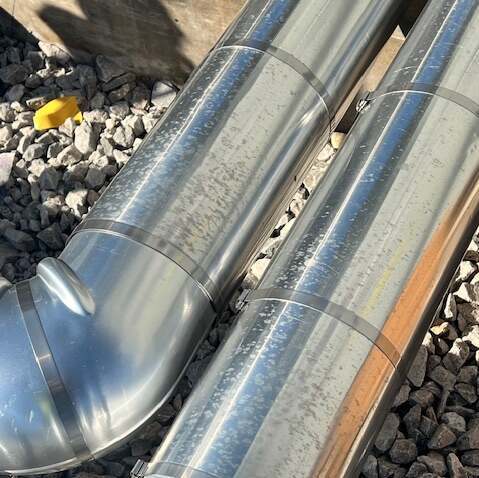
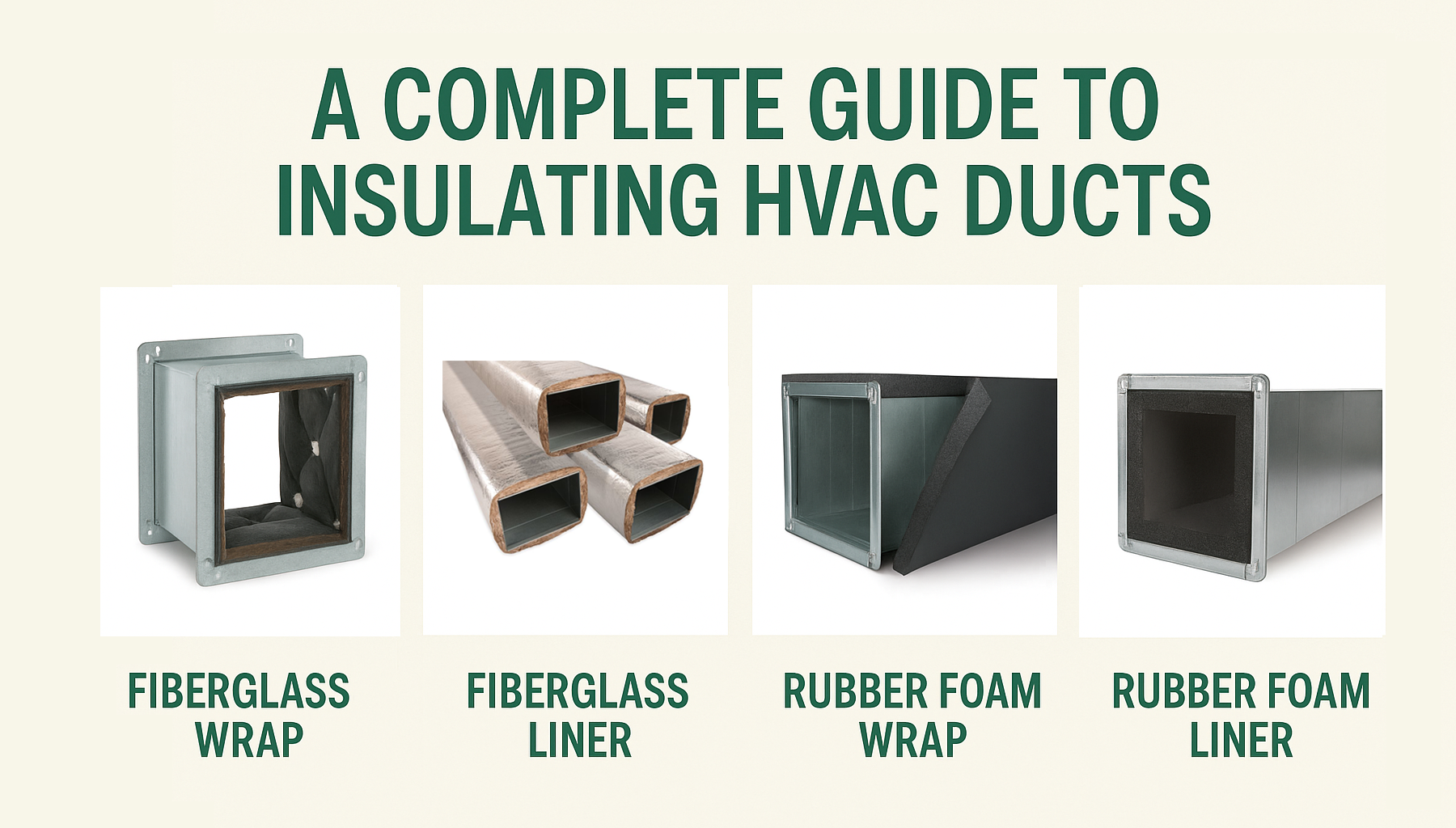
The contractor had used fiberglass pipe insulation on a chilled water system. Although fiberglass is suitable for high-temperature pipelines, it is not a closed-cell material, so it cannot stop water vapor penetration.
After only a few months of operation, the entire insulation system became:
- Fully saturated with moisture
- Water dripping heavily from the pipes
- Thermal performance completely lost
- Mold forming inside the insulation
- The fiberglass pipe sections eventually softened, collapsed, and broke
The client documented the incident with photos and videos for industry learning.
This case demonstrates why fiberglass is not recommended for chilled pipes, especially in humid climates.
4. If Fiberglass Must Be Used on Chilled Pipes (High-Temperature Systems Only)
In certain special cases—such as chilled water systems where operating temperature exceeds 150°C, or combined hot–cold pipelines—engineering teams may choose fiberglass because of its high thermal resistance.
If fiberglass pipe insulation must be used, the following critical enhancement is required:
✔ Apply a PE Film Over the Kraft Paper Side of the Aluminum Foil Facing
The reason:
- Fiberglass typically comes with aluminum foil + kraft paper
- Kraft paper is not waterproof
- For chilled applications, the material must be fully vapor-sealed
- PE film converts the kraft side into a true vapor barrier
Without the PE film, moisture will penetrate the insulation and cause failure—exactly as seen in the client’s case above.
This protective method is commonly used in high-temperature systems where fiberglass is required but condensation risk still exists.
5. ECOIN INSULATION’s Professional Recommendation
At ECOIN INSULATION, we recommend closed-cell rubber foam for chilled pipe applications. We supply elastomeric rubber foam that meets:
- ASTM C534 Grade 1
- EN 14304
- Low water vapor permeability (< 0.043 perms)
- Thermal conductivity as low as 0.035 W/m·K at 24°C
- Black or aluminum-foil-faced options
This combination ensures reliable condensation control and long-term durability.
With real-world project experience and global export cases, ECOIN INSULATION provides solutions designed to avoid the common failures seen in the industry.
Chilled Pipe Insulation — FAQ & Buyer’s Guide
Selecting the right chilled pipe insulation is critical for preventing condensation, reducing energy loss, and extending system life. Below are the most common questions from engineers and procurement teams about chilled pipe insulation.
What is chilled pipe insulation? Chilled pipe insulation refers to thermal insulation applied to pipes carrying cold water or refrigerant, typically at 4–15°C. The primary goal is vapour barrier control and anti-condensation performance, not just heat retention. For a technical overview, see the pipe insulation article on Wikipedia.
What thickness of chilled pipe insulation is needed? Thickness depends on pipe diameter, ambient temperature, and relative humidity. For HVAC chilled water lines in tropical climates, 25–50 mm of closed-cell chilled pipe insulation is typically specified. EcoIn’s technical team can provide project-specific thickness calculations.
Which chilled pipe insulation material resists moisture best? Closed-cell materials such as rubber foam and PIR board perform best in high-humidity environments. EcoIn’s glass wool insulation with aluminium foil facing is also a proven solution for chilled pipe insulation in industrial and commercial projects worldwide.
How to Install Chilled Pipe Insulation
Proper installation is just as important as material selection for effective chilled pipe insulation. Even the best chilled pipe insulation material will underperform if installed incorrectly. Follow these steps to ensure long-term performance:
First, clean and dry all pipe surfaces before applying any chilled pipe insulation material. Moisture, oil, and dust can prevent adhesives from bonding and create air gaps that reduce thermal efficiency. For chilled water pipes operating below ambient dew point, surface preparation is especially critical.
Second, ensure all pipe joints, flanges, and valves receive the same level of chilled pipe insulation as straight pipe sections. These fittings are common sources of heat gain and condensation if left uninsulated or under-insulated. Pre-formed fitting covers or cut-to-fit sections of insulation board are typically used.
Third, seal all seams, joints, and penetrations with vapour-barrier tape or mastic sealant rated for chilled service. For closed-cell rubber foam and PIR board, aluminium foil tape is the standard choice. Any unsealed joint can allow warm, humid air to reach the cold pipe surface and cause condensation damage over time.
Chilled Pipe Insulation Thickness Standards
Selecting the correct insulation thickness is governed by local building codes and international standards such as ASHRAE 90.1, BS 5422, and CIBSE Guide C. These standards define minimum insulation thickness for chilled water pipes based on pipe diameter, operating temperature, and ambient conditions.
For a typical chilled water pipe operating at 6°C in a 30°C ambient environment, rubber foam insulation thickness commonly ranges from 25 mm for small bore pipes (DN15–DN25) up to 50 mm or more for larger diameter pipes (DN100 and above). PIR board and glass wool pipe sections follow similar thickness schedules but offer greater thermal resistance per millimetre, which can reduce overall jacket diameter in space-constrained installations.
EcoIn’s technical team provides detailed chilled pipe insulation thickness calculations based on your operating parameters, local climate data, and applicable standards. Contact us for a project-specific specification sheet.
Frequently Asked Questions About Chilled Pipe Insulation
What is the minimum insulation thickness for chilled water pipes? The minimum thickness depends on pipe diameter and operating temperature. For a 6°C chilled water system in a 30°C ambient environment, ASHRAE 90.1 recommends at least 25 mm for pipes up to DN25 and 38–50 mm for larger diameters. Always consult local codes for the applicable requirement in your region.
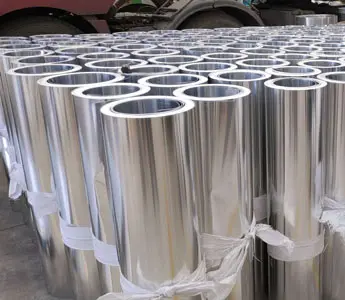
Can I use glass wool for outdoor chilled pipe insulation? Yes, provided it is protected by an aluminium jacketing or PVC cladding system. Glass wool pipe sections with reinforced aluminium foil facing perform well in outdoor applications when correctly weatherproofed against rain and UV exposure. EcoIn supplies complete chilled pipe insulation systems including glass wool pipe sections, foil facing, and aluminium jacketing cladding for outdoor industrial pipework.
How long does rubber foam chilled pipe insulation last? High-quality rubber foam insulation installed correctly typically lasts 15–20 years in a well-maintained system. UV exposure, mechanical damage, and chemical contact can shorten service life, so protective cladding is recommended for outdoor and industrial environments.
Contact EcoIn today for a free chilled pipe insulation material review tailored to your project specifications and climate conditions.
Selecting the right chilled pipe insulation material is critical to maintaining system efficiency, preventing condensation damage, and reducing long-term energy costs. Whether you choose rubber foam, PIR board, or glass wool with aluminium foil facing, EcoIn provides certified, high-performance chilled pipe insulation solutions for industrial, commercial, and HVAC applications worldwide. Our technical team is ready to help you specify the optimal insulation thickness and material for your chilled water piping system.