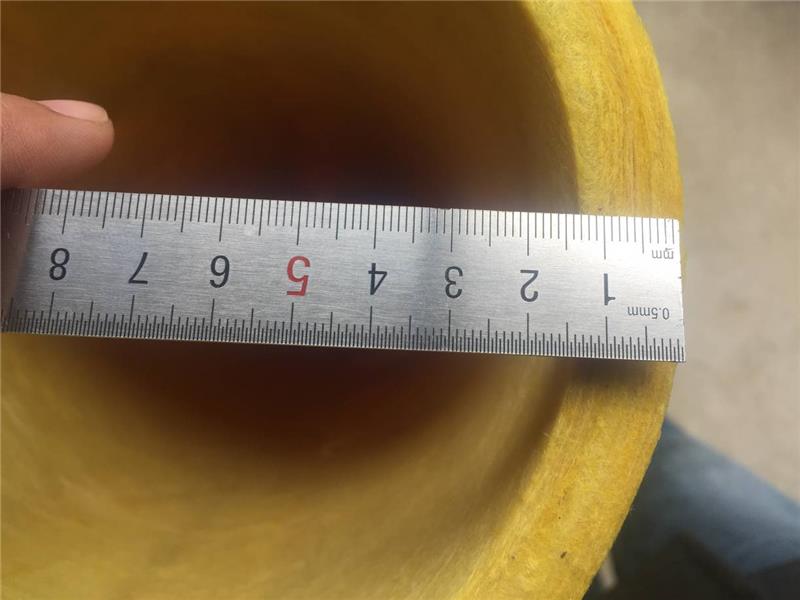
Compliance with ASTM E84 insulation standards is not only a legal requirement in most jurisdictions but also a key factor in obtaining building permits, passing inspections, and meeting insurance requirements. Contractors, specifiers, and facility managers working on commercial or industrial projects should always confirm that selected insulation products carry a current, valid ASTM E84 test certification from an accredited laboratory before installation begins.
When selecting materials for thermal and acoustic applications, understanding ASTM E84 insulation requirements is essential for compliance with North American building codes. The ASTM E84 (UL 723) test method evaluates the surface burning characteristics of building materials by measuring the Flame Spread Index (FSI) and Smoke Developed Index (SDI). For background, see the Wikipedia article on ASTM E84.
Many building owners, architects, and engineers rely on these values to ensure safety, reduce liability, and meet local building code requirements—especially in commercial buildings such as offices, schools, hospitals, and hotels. Choosing the right glass wool insulation that meets ASTM E84 insulation standards is critical for project approval and occupant safety.
ASTM E84 Insulation Class A vs. “25/50” Requirements
In general, a product that achieves Class A under ASTM E84 insulation testing indicates it meets the following typical performance range:
- Flame Spread Index (FSI): 0–25
- Smoke Developed Index (SDI): 0–450
Because of this, some building codes or commercial projects may accept ASTM E84 insulation materials with FSI <25 and SDI <450, depending on the application and jurisdiction. However, certain sectors—especially where mechanical insulation is involved—require stricter criteria.
When “25/50” Is Mandatory for ASTM E84 Insulation
This “25/50” threshold is the widely accepted standard for ASTM E84 insulation used in high-occupancy or critical-use buildings, including:
- Schools
- Hospitals
- Hotels
- Other high-occupancy commercial buildings
- Mechanical insulation on piping systems
These stricter limits ensure low flame spread and significantly reduced smoke generation, which are critical for life safety in densely occupied environments. In these cases, the commonly accepted requirement is FSI ≤ 25 and SDI ≤ 50.
Can Class A Products Be Used If They Don’t Meet 25/50?
A product that achieves Class A but does not meet the stricter 25/50 requirement may still be acceptable for certain commercial construction applications, depending on project specifications, local building codes, and whether the application is architectural (e.g., building envelope) or mechanical (e.g., piping). However, it would typically not be accepted where “25/50” is explicitly required under engineering specifications. Always verify the ASTM E84 insulation performance data on the product’s official test report before specifying.
EcoIn ASTM E84 Insulation Products
EcoIn Group manufactures glass wool insulation products that comply with ASTM E84 insulation requirements at the 25/50 level. Our glass wool blankets, boards, and pipe sections achieve FSI ≤ 25 and SDI ≤ 50 — meeting the strictest threshold required for schools, hospitals, and mechanical piping systems worldwide. Contact EcoIn for technical data sheets and compliance documentation for your next commercial or industrial project.
Common Insulation Materials That Meet ASTM E84 Requirements
Not all insulation materials achieve ASTM E84 insulation compliance equally. Understanding which products inherently meet the standard helps specifiers avoid costly substitutions during inspection.
Glass Wool (Fiberglass) Insulation
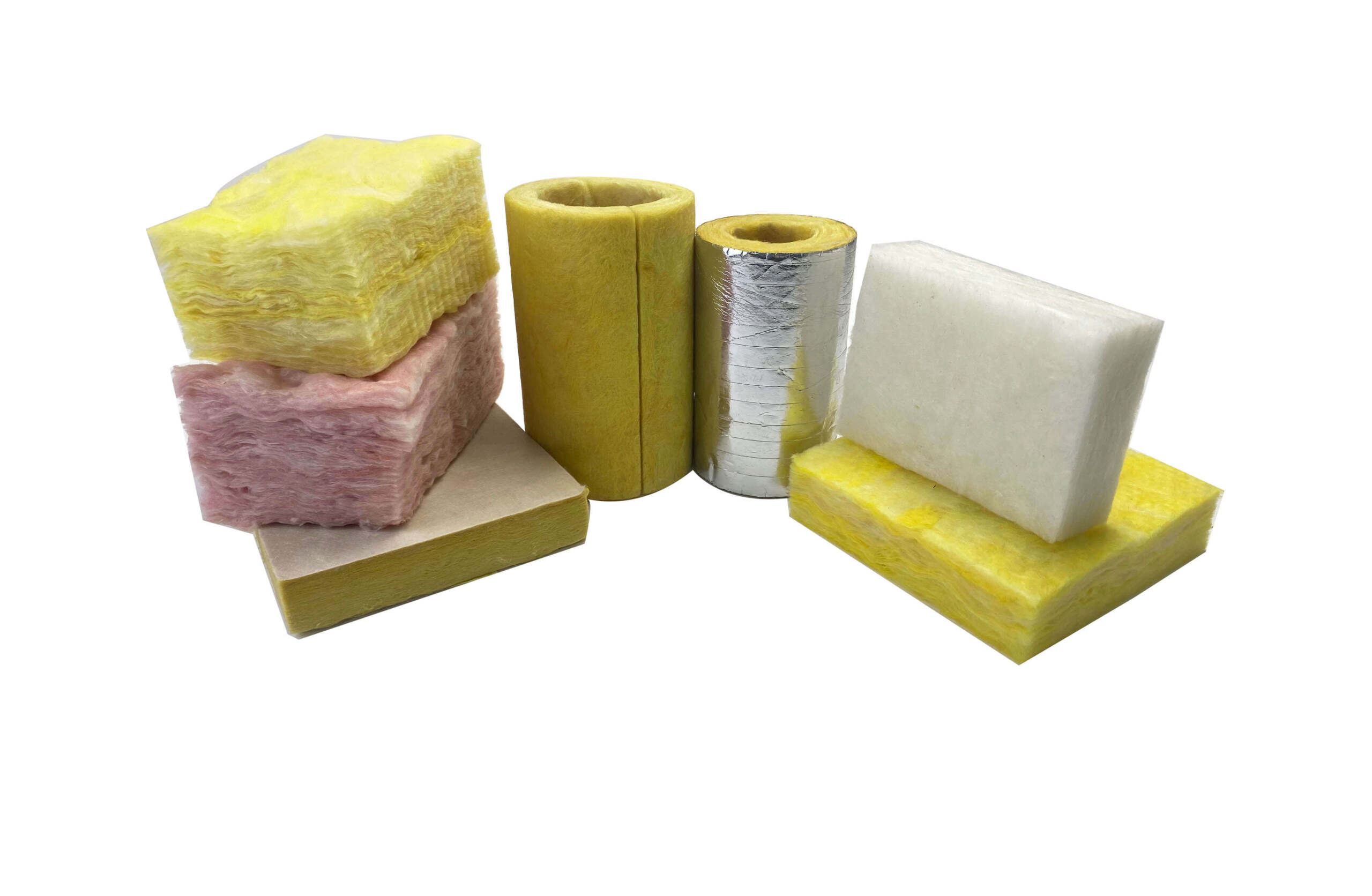
Glass wool is among the most widely used materials that meets ASTM E84 insulation requirements at the 25/50 level without special coatings. As an inorganic fiber product, glass wool does not combust under standard test conditions. Blankets, boards, pipe sections, and duct liners manufactured from glass wool typically achieve FSI 25 and SDI 50, making them suitable for schools, hospitals, mechanical piping, and commercial HVAC systems. Learn more about glass wool in the Wikipedia entry on glass wool.
Mineral Wool (Rock Wool / Slag Wool)
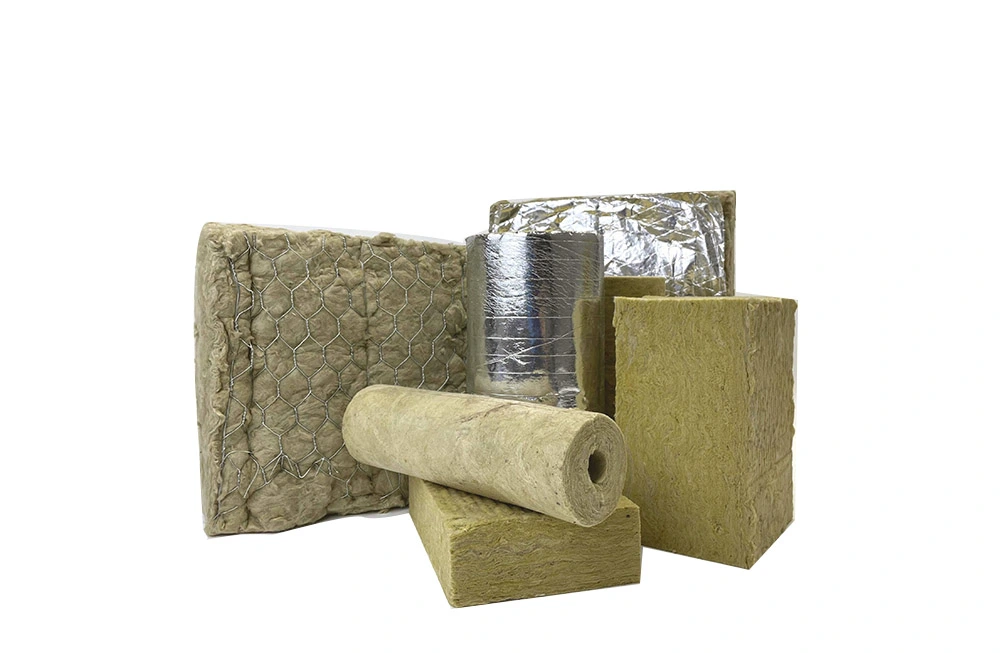
Mineral wool naturally meets ASTM E84 insulation 25/50 thresholds due to its inorganic composition and high melting point (above 1000 degrees C). It is commonly specified in fire-rated wall assemblies, pipe insulation, and curtain wall applications where both thermal performance and fire compliance are critical. Because mineral wool does not melt or drip, it maintains structural integrity during fire events.
Foam Insulation with Approved Facings
Organic foams such as polyisocyanurate (PIR) or expanded polystyrene (EPS) often require special coatings or facings to pass ASTM E84 insulation testing at the 25/50 level. Without an approved facing, most foam materials exceed both FSI and SDI limits. Always verify the specific product test report — not just its product category — before specifying for code-sensitive applications.
How to Verify ASTM E84 Insulation Compliance on a Project
Confirming ASTM E84 insulation compliance requires more than reviewing a data sheet. Use the following steps before finalizing material selections:
- Request the official test report — Obtain a current ASTM E84 insulation test report from an accredited laboratory (UL, Intertek, or equivalent). The report must specify the exact product configuration tested, including thickness, density, and facing.
- Match the tested configuration exactly — A glass wool board with foil facing may carry a different test result than the unfaced version. Confirm that what you purchase matches what was tested and certified.
- Check certification currency — Some certifications expire or are revised when product formulations change. Verify that the certificate is current and applies to the batch being supplied.
- Confirm local authority requirements — Certain states or authorities having jurisdiction (AHJ) impose requirements beyond standard ASTM E84 insulation thresholds. Always check local codes before finalizing your specification.