

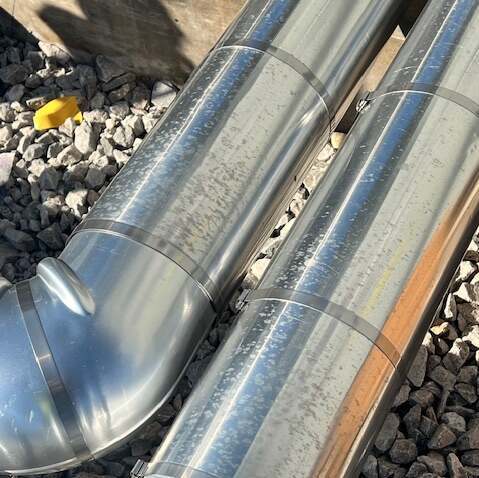
Understanding Surface Discoloration on Aluminum Jacketing
A Technical Note by ECOIN INSULATION Aluminum jacketing discoloration is a common surface phenomenon that affects industrial insulation systems worldwide. This technical note explains the causes, assessment criteria, and best practices for managing aluminum jacketing discoloration effectively. Overview Aluminum
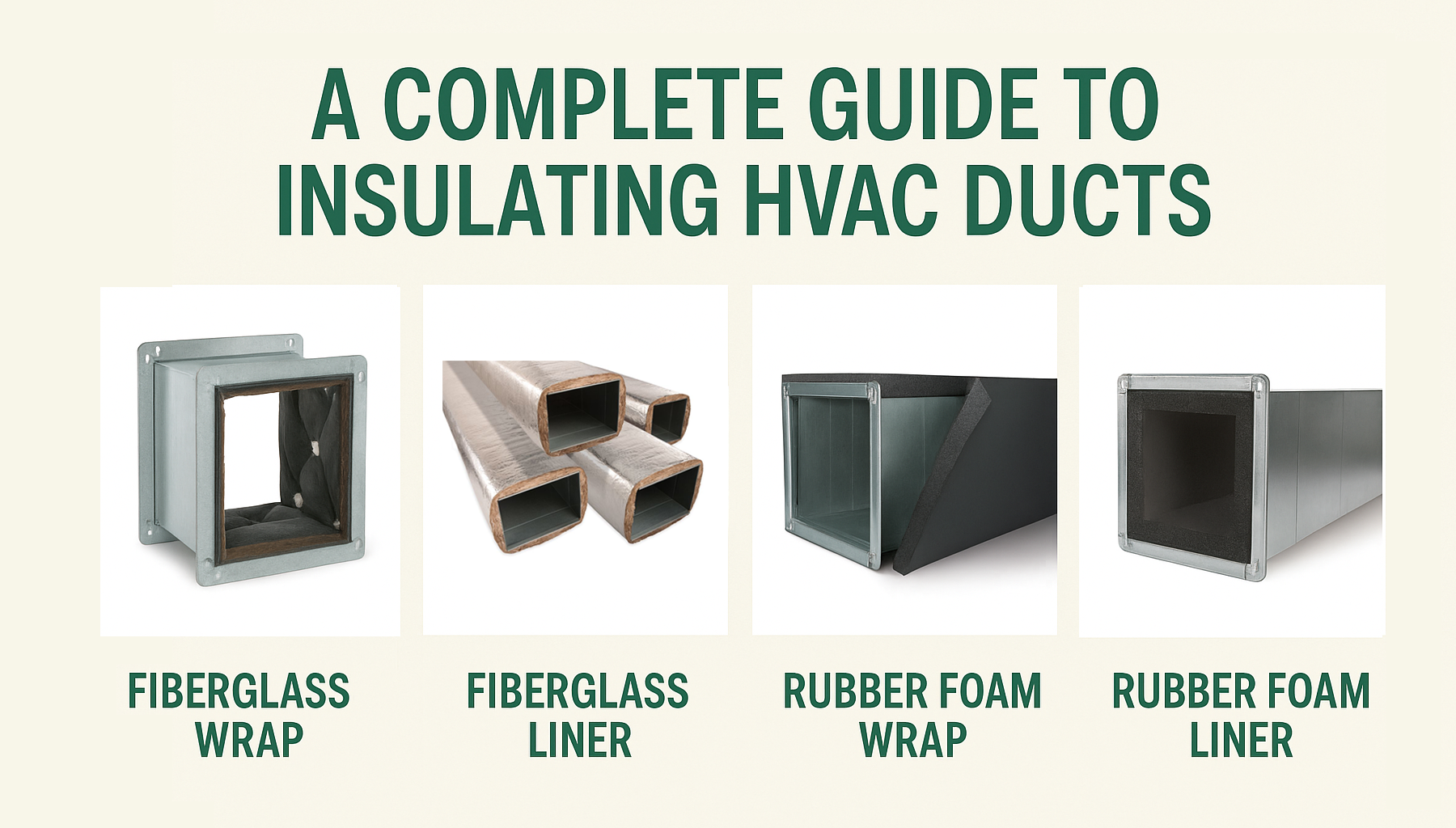
Comparison & Selection Guide: Fiberglass/Rubber Foam Duct Liner vs. Duct Wrap for HVAC Insulation
Comparison & Selection Guide: Fiberglass/Rubber Foam Duct Liner vs. Duct Wrap for HVAC Insulation When comparing duct liner vs duct wrap for HVAC insulation, understanding their key differences helps engineers select the right product. The core difference between these four
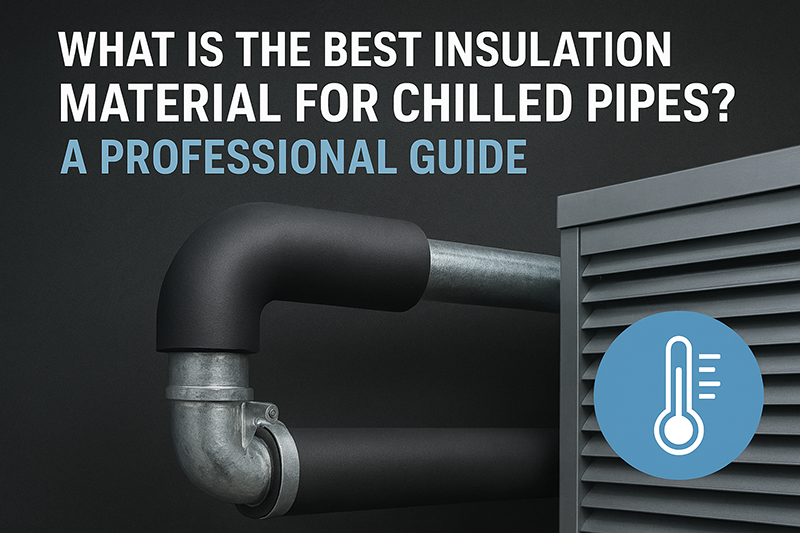
What Is the Best Insulation Material for Chilled Pipes? A Professional Guide
What Is the Best Insulation Material for Chilled Pipes? A Professional Guide When it comes to chilled water and refrigeration systems, choosing the right insulation material is critical. Proper insulation prevents condensation, reduces energy loss, and protects systems from corrosion

Understanding ASTM E84 Requirements for Commercial and Mechanical Insulation Applications
Compliance with ASTM E84 insulation standards is not only a legal requirement in most jurisdictions but also a key factor in obtaining building permits, passing inspections, and meeting insurance requirements. Contractors, specifiers, and facility managers working on commercial or industrial
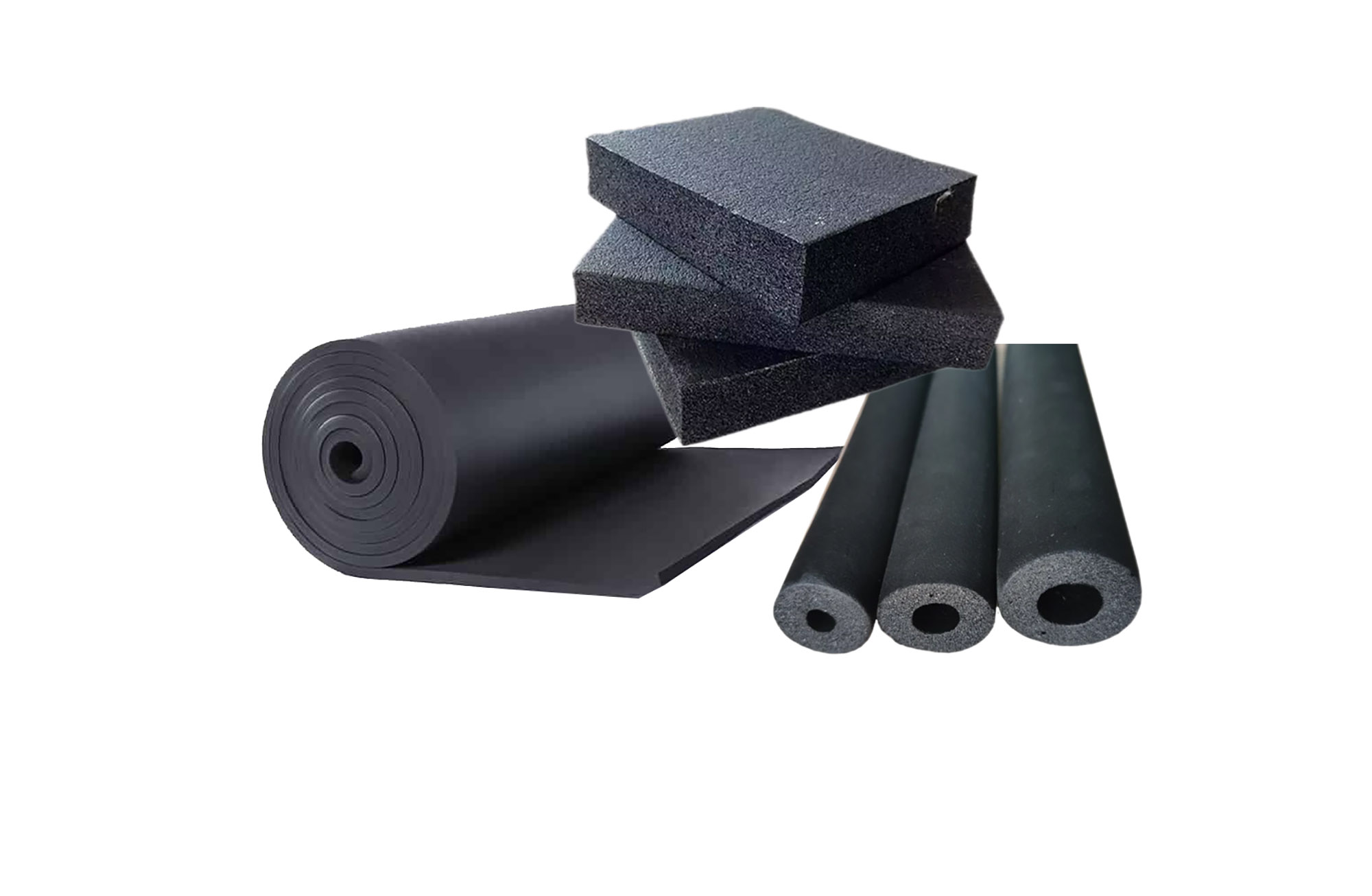
Key Properties of Rubber Foam Insulation: Fire Rating, Moisture Resistance, and Thermal Conductivity.
Key Properties of Rubber Foam Insulation: Fire Rating, Moisture Resistance, and Thermal Conductivity One day, I received a call from SGS. They told me that our rubber foam insulation had been under water vapor transmission testing for 11 days, yet
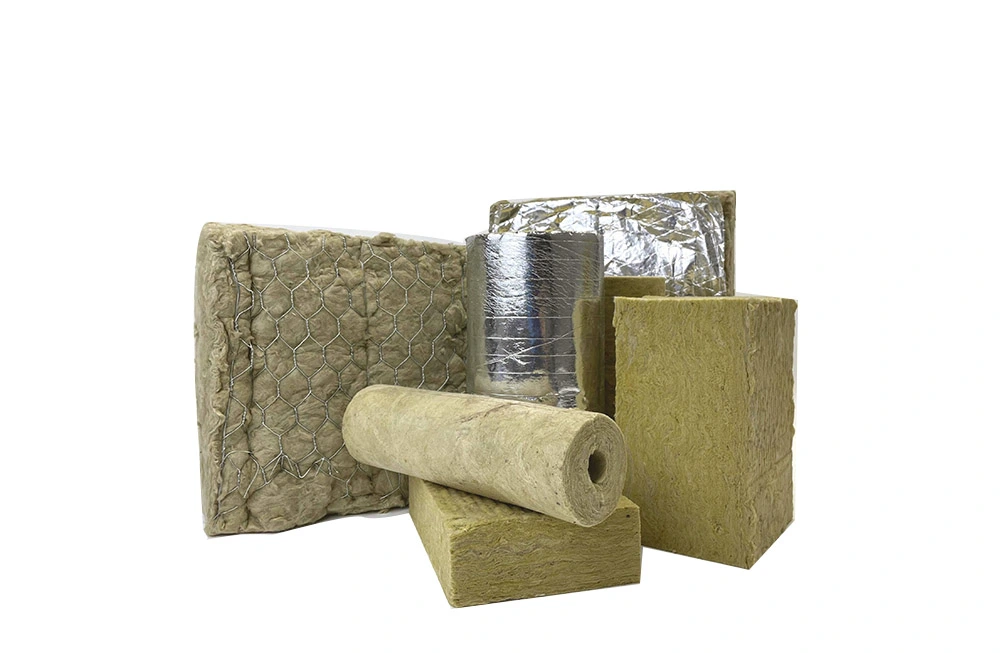
Understanding ASTM C612, C553, C592 and C547 for Mineral Wool
If you work with commercial or industrial insulation for piping, boilers, or vessels, you've likely encountered mineral wool ASTM standards like C547, C592, C612, and C553. These mineral wool specifications are critical for selecting materials that ensure thermal efficiency, safety,
Insulation Blog — Guides, Tips & Product Insights
Our insulation blog is designed for engineers, builders, and procurement managers who need reliable technical information. Each article in this insulation blog covers real-world applications and is written by specialists with hands-on experience in thermal and acoustic insulation. Explore topics ranging from glass wool density selection to rock wool fire ratings.
According to Wikipedia’s overview of thermal insulation, materials like glass wool and mineral wool remain the most widely used solutions for energy-efficient construction and industrial pipe insulation. Our insulation blog translates these fundamentals into practical, actionable guidance. Browse our glass wool product range for full specifications.
Popular Topics in Our Insulation Blog
Readers of this insulation blog frequently search for: glass wool R-value comparisons, mineral wool vs glass wool cost analysis, aluminum jacketing thickness charts, and pipe insulation installation methods. Each guide is updated regularly to reflect the latest product standards and manufacturing improvements from EcoIn.
