

Insulation FAQ — Everything You Need to Know
Insulation FAQ is the go-to resource for engineers, contractors, and procurement managers who need reliable answers about glass wool, mineral wool, and aluminum jacketing products. EcoIn Group has compiled this insulation FAQ based on the most common questions received from customers in over 30 countries. Whether you are selecting the right density for a cold-storage project or comparing fire-resistance ratings for a high-rise curtain wall, this insulation FAQ has you covered.
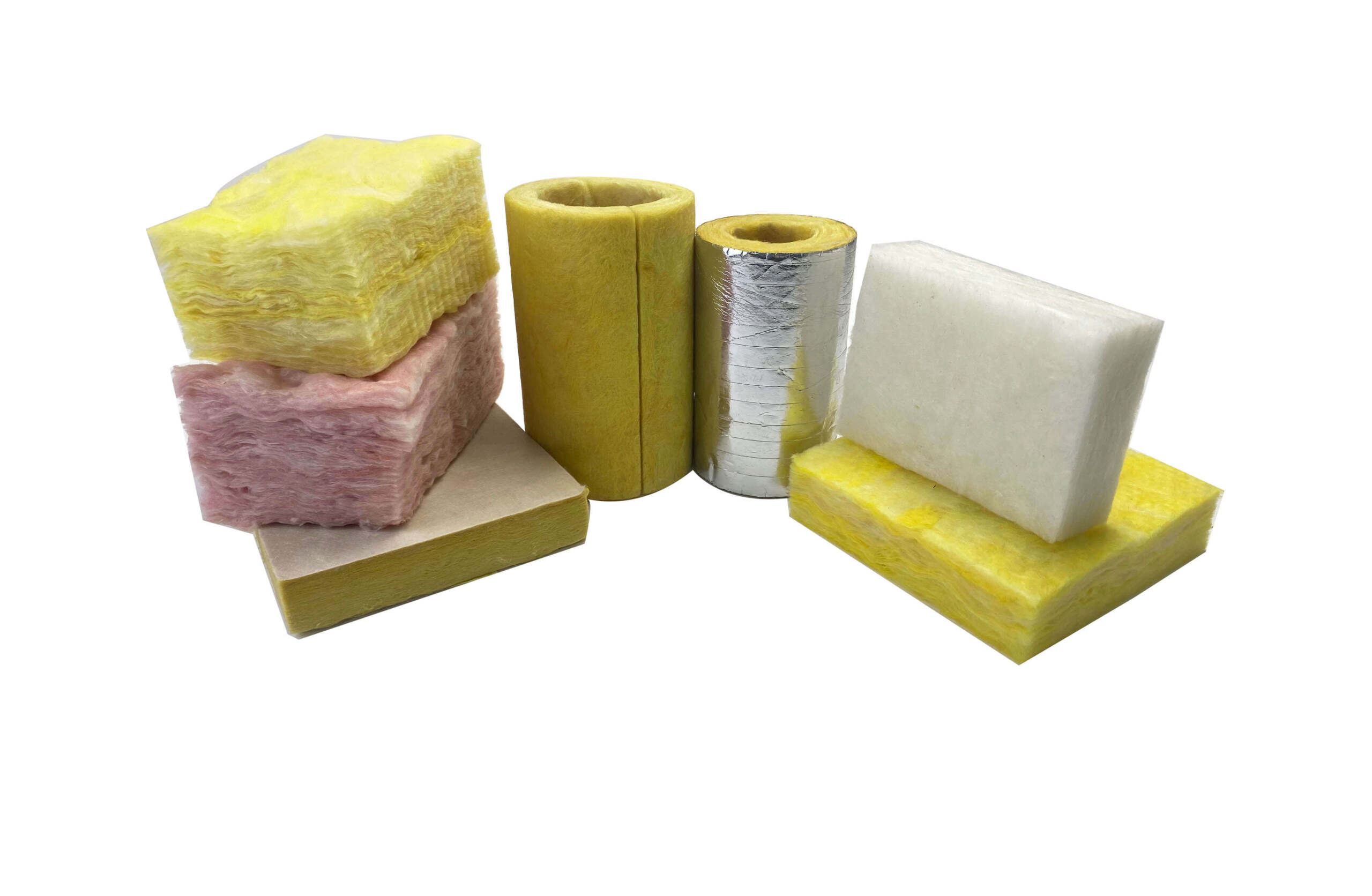
Glass wool insulation from EcoIn is available in densities ranging from 10 kg/m³ to 96 kg/m³, making it suitable for acoustic panels, HVAC duct wrap, roof insulation, and pipe insulation alike. Mineral wool — which includes both glass wool and rock wool — is a non-combustible, thermally efficient material widely specified for industrial and commercial applications. Our insulation FAQ covers both product families so you can make an informed decision before requesting a quote.
This insulation FAQ is organised by topic: product specifications, thermal performance, fire ratings, packaging and lead times, and installation guidelines. Each answer in the insulation FAQ is written by our technical team and reflects current production standards at our ISO-certified manufacturing facility.
Who Should Read This Insulation FAQ?
This insulation FAQ is intended for: building engineers specifying thermal or acoustic insulation; HVAC contractors choosing between glass wool and mineral wool for duct systems; project managers comparing EcoIn products with alternative suppliers; and buyers who need quick answers on MOQ, lead time, and certifications. If your specific question is not addressed in this insulation FAQ, use our contact page to reach our technical team directly.
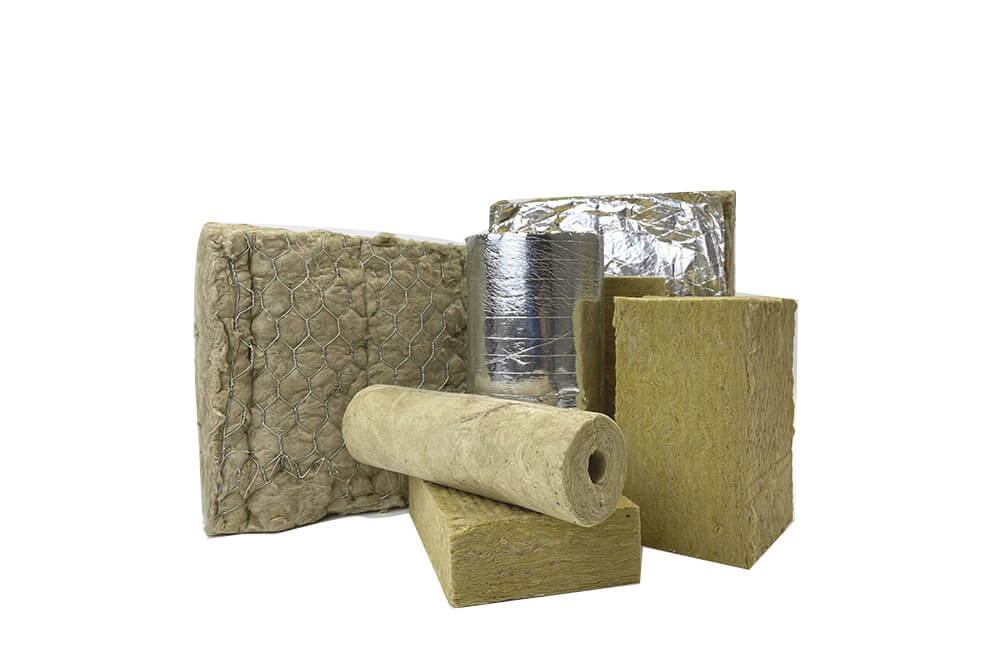
Mineral wool, also known as rock wool, has a thermal conductivity that ranges from 0.032 to 0.043 W/mK at the temperature of 24C.
The exact thermal conductivity of mineral wool will depend on the specific product and its density. In general, denser mineral wool products have a lower thermal conductivity and provide better insulation performance.
It’s important to note that the thermal conductivity of mineral wool can be affected by various factors, such as temperature, humidity, and pressure. In high-temperature applications, the thermal conductivity of mineral wool may increase, which can reduce its effectiveness as an insulation material.
Ecoin test report shows 0.035W/mK
Rock wool is a type of insulation material made from natural rock, such as basalt and diabase. It is also known as mineral wool, stone wool, or slag wool. The raw material is heated to a molten state and then spun into fibers. The fibers are then bonded together with a binder to form a mat or blanket.
Mineral wool is a general name for all the insulation wool that are made from natural minerals, such as basalt, quartzite, coal gangue or slag, that are melted and spun into fibers. Glass wool, rock wool, ceramic wool, all can be called as mineral wool. Rock wool is the most famous mineral wool. When people talk about mineral wool, he’s 90% likely to mean rock wool. When a project refers to mineral wool, it’s most propally designed to use rock wool.
Insulation FAQ: Technical Specifications Guide
This section of our insulation FAQ covers the technical questions most frequently asked by engineers, procurement teams, and contractors. EcoIn Group manufactures glass wool, mineral wool, and aluminum jacketing products that meet ASTM C547, EN 13162, and ISO 9001 standards. Use this insulation FAQ guide to match the right product density and temperature rating to your project requirements.
What Density Should I Select?
Density selection is one of the most common insulation FAQ topics. Glass wool is available from 10 kg/m³ to 96 kg/m³. Low-density grades (10–24 kg/m³) suit HVAC duct wrapping and lightweight partition walls. Medium-density grades (32–48 kg/m³) are used for industrial pipe insulation and roof batts. High-density glass wool (64–96 kg/m³) provides both thermal and acoustic performance for equipment rooms and mechanical plant areas where sound attenuation above 35 dB is required.
What Maximum Service Temperatures Apply?
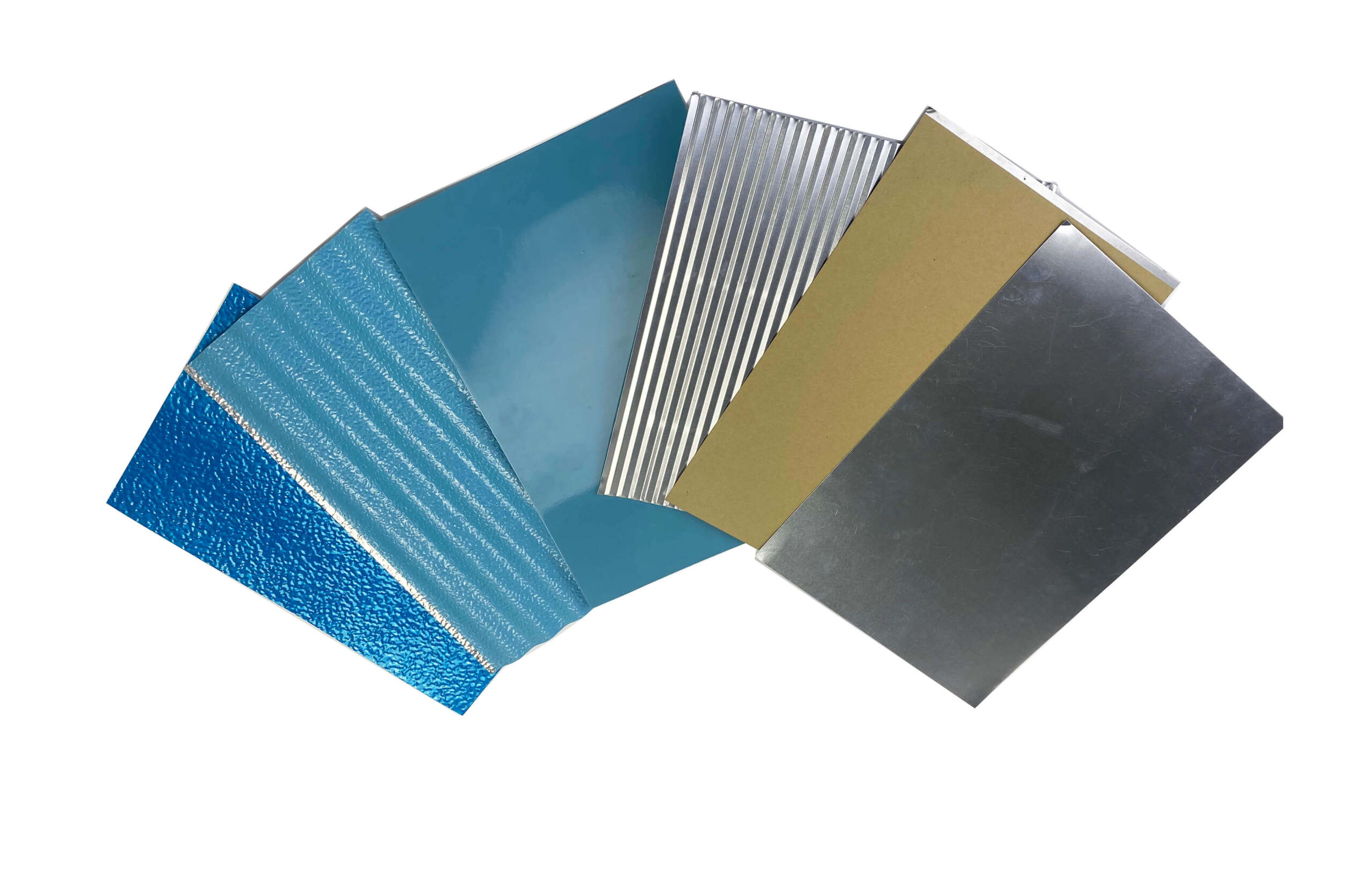
Temperature ratings are another key insulation FAQ area. EcoIn glass wool is rated for continuous service up to 350 °C, with short-term peak tolerance to 450 °C. Rock wool (mineral wool) handles higher heat loads, rated to 650 °C continuous service, making it the preferred choice for furnace lining, kiln insulation, and high-temperature industrial pipework. Pairing either product with aluminum jacketing protects the surface from UV, moisture, and mechanical damage and extends service life in outdoor installations.
How Is Insulation Thickness Calculated?
Thickness calculation is addressed in every comprehensive insulation FAQ. The required thickness is derived from the heat-transfer equation using the material’s lambda (λ) value and the temperature differential across the insulation layer. EcoIn’s engineering team provides free thickness calculations for any pipe or flat-surface application. Visit our glass wool product page or mineral wool page for the λ values specific to each product grade.
Why Source Insulation from EcoIn?
- Factory-direct pricing with no distributor markup
- ISO 9001-certified production facility in China
- Export to over 30 countries with full documentation support
- Custom density, thickness, and dimensions available on request
- Dedicated technical engineers available for project consultation
This insulation FAQ is updated regularly as EcoIn Group expands its product range and receives new questions from customers worldwide. Bookmark this page and return whenever you need reliable, engineer-verified answers about glass wool, mineral wool, aluminum jacketing, and related insulation accessories. For project-specific guidance not covered in this insulation FAQ, contact the EcoIn technical team directly through our contact page.
Insulation FAQ: Comparing Glass Wool vs Rock Wool
A frequent entry in any insulation FAQ concerns the difference between glass wool and rock wool. Both materials are mineral wool products, but they differ in raw material, temperature rating, and density range. Glass wool is produced from silica sand and recycled glass, giving it a lighter density (10–96 kg/m³) and excellent thermal performance at temperatures up to 350 °C. Rock wool is made from basalt and slag, offering a higher temperature ceiling of 650 °C continuous service and superior fire resistance, making it the preferred choice for passive fire protection applications.
From an insulation FAQ perspective, the choice between the two products depends on your project’s temperature requirements, mechanical load, and acoustic performance targets. In cold-chain and HVAC applications, glass wool is lighter, easier to handle, and cost-effective. In petrochemical plants, refineries, and power stations, rock wool’s fire and heat resistance make it the standard specification. Both products are available in EcoIn’s catalog with standard sizes and custom dimensions on request.
Insulation FAQ: Storage and Handling Tips
Many customers ask about proper storage and handling as part of their insulation FAQ research. Glass wool and rock wool products should be stored in a dry, covered area away from direct sunlight and moisture. Stack rolls and boards on flat pallets to prevent deformation. Always handle products with gloves and a dust mask in accordance with local occupational health guidelines. When cutting insulation to size, use a sharp knife or serrated blade and work in a ventilated area. Aluminum jacketing should be stored flat and away from chemicals that could cause surface oxidation.
For further information on safe handling of mineral wool, refer to the Wikipedia article on mineral wool, which covers the composition, manufacturing process, and safety data for glass wool and rock wool products.
Insulation FAQ: International Shipping and Lead Times
EcoIn Group exports insulation materials to customers in over 30 countries across Southeast Asia, the Middle East, Africa, and Europe. Standard lead times for stock items are 7–14 working days after order confirmation. Custom-cut or bespoke-density orders require 21–30 working days. All shipments are accompanied by full export documentation including commercial invoice, packing list, certificate of origin, and material safety data sheets. For LCL (less-than-container-load) or FCL (full-container-load) freight inquiries, contact our export team who will prepare a competitive quotation within 24 hours.
This insulation FAQ will continue to be updated with answers to new questions received from our customers. If your question is not answered here, please use the contact form on this website and our engineering team will respond within one business day.
For technical questions not covered in this insulation FAQ, reach out to EcoIn’s engineering department via the contact form. Our team responds within one business day and provides product samples, technical data sheets, and project-specific recommendations at no charge.
