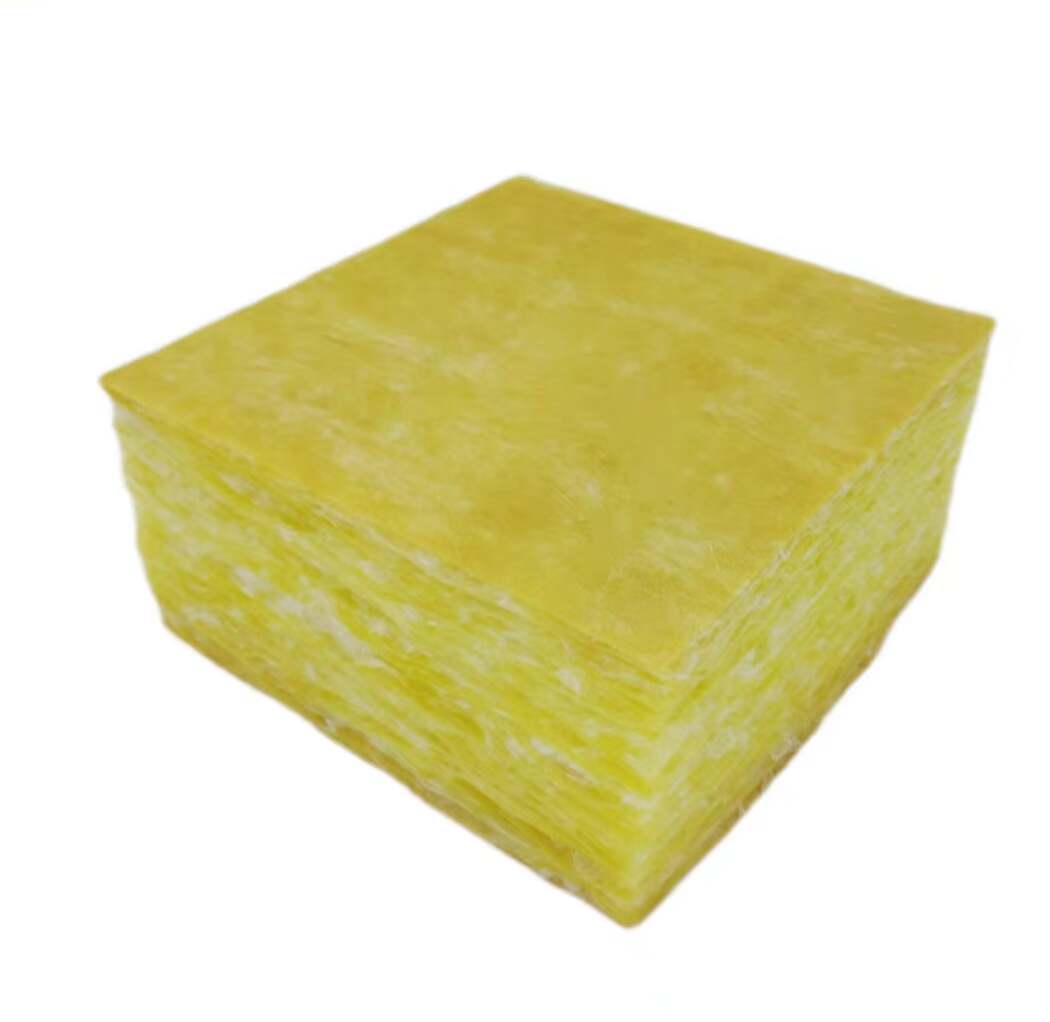
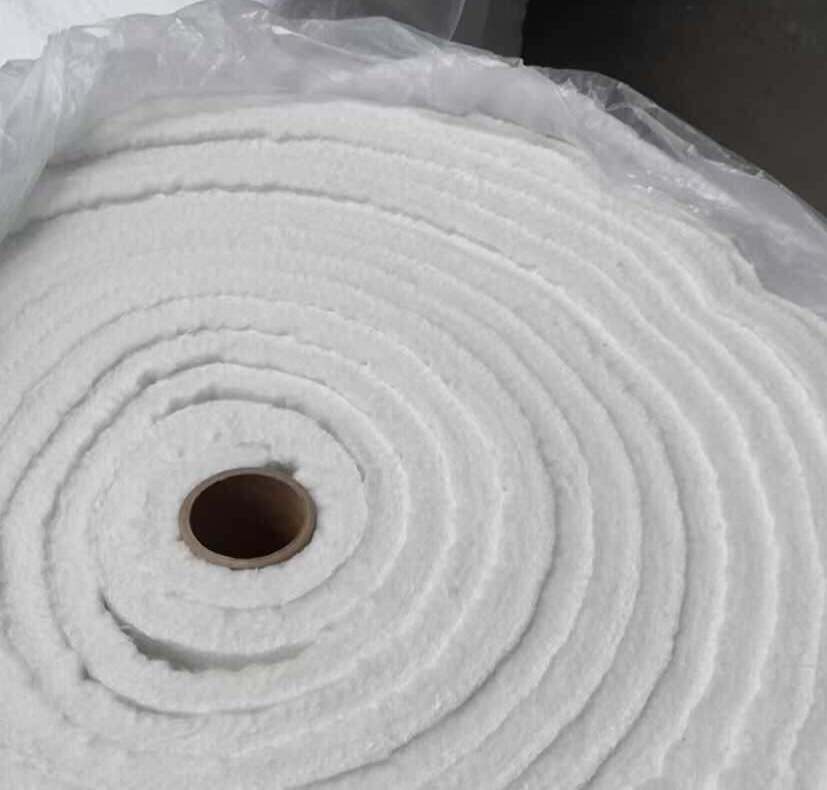
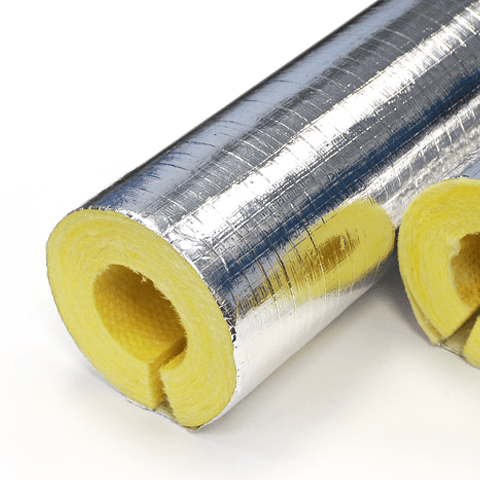
Spray Glass Wool

EcoIn spray glass wool is a blown-fibre insulation applied to structural surfaces and irregular geometries. With thermal conductivity of 0.035 W/m.K and density up to 100 kg/m3, spray glass wool creates a seamless thermal envelope on steel beams, concrete surfaces, and equipment housings.

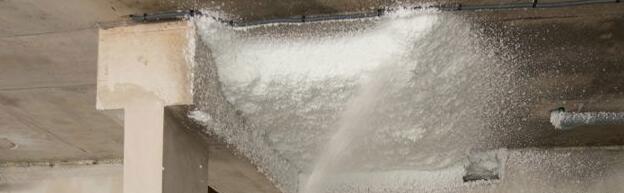
spray glass wool insulation EcoIn

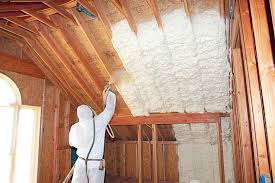
spray glass wool applied to surface

Quick Details:

  • Package: Plastic packing
  • Thermal Conductivity: 0.035 W/m.K
  • Density: 10-100 kg/m3
  • Delivery time: 7-10 days
  • Payment terms: TT, LC, Trade Assurance

Spray Glass Wool – Frequently Asked Questions

spray glass wool EcoIn

According to Wikipedia, glass wool is an insulating material made from fibres of glass arranged using a binder into a texture similar to wool, widely used in thermal and acoustic insulation applications.

Spray glass wool is applied as a wet slurry of fine glass fibres that bond directly to virtually any substrate — steel sections, curved concrete walls, pipe supports, and mechanical ductwork — creating a continuous insulating layer without the gaps and thermal bridges that sheet products leave around fixings and joints. Once the slurry cures, spray glass wool forms a rigid, dimensionally stable layer that resists vibration, settling, and minor structural movement over decades of service.

The blown application method allows spray glass wool to fill recesses, bolt heads, and weld seams that rigid boards cannot reach, making it the preferred solution wherever substrate geometry changes direction or cross-section. For roofs, soffits, and overhead structural members where fixing pre-cut boards would require extensive mechanical fasteners, spray glass wool self-adheres and requires no additional anchoring system.

Spray glass wool achieves a thermal conductivity of 0.035 W/m·K at 25°C and is classified as non-combustible under Euroclass A1 (EN 13501-1), the highest fire classification in the European system. It contributes no fuel load to a fire, emits no toxic smoke, and generates no burning droplets — properties critical for structural steel fire protection and for insulating escape routes and plant rooms where building regulations require non-combustible lining materials.

For passive fire protection applications on structural steelwork, spray glass wool can be specified in combination with intumescent coatings or as the sole fire-protection layer, subject to the tested density and thickness defined in the relevant certification. Typical fire resistance periods achievable range from R30 to R120 depending on the applied density and the section factor of the steel member being protected.

Spray glass wool is used extensively in commercial and industrial buildings for thermal insulation of roof decks, underside-of-slab applications, acoustic linings of plant rooms, and fire protection of structural steel. In the marine and offshore sector, the blown application method handles the complex geometry of ship hull structures and compartment bulkheads without requiring cutting or fitting of individual pieces.

Cold storage facilities and refrigerated warehouses use spray glass wool to insulate the underside of raised floors and roof structures where the continuous, gap-free layer prevents condensation and maintains temperature uniformity. For standard wall and roof applications with flat, accessible substrates, our glass wool board products offer a cost-effective alternative where board installation is practical.

Installation requires specialist spray equipment that mixes dry glass fibre with a water-based binder and propels the mixture onto the prepared substrate at controlled pressure and flow rate. The substrate must be clean, dry, and free of oil, loose scale, or previous coatings that would prevent adhesion. A primer coat is applied to porous substrates such as concrete or masonry to improve bond strength.

Applied thickness is verified using depth pins during and after application. Curing typically takes 24–48 hours at ambient temperature before overcoating or loading. The cured spray glass wool surface can be left exposed, painted, or overclad depending on the aesthetic and durability requirements of the project. EcoIn’s technical team provides specification support and application guidance for each project type.

EcoIn exports spray glass wool with a standard lead time of 7–10 working days from order confirmation. The product is packaged in plastic wrapping on pallets optimised for container loading, with each unit clearly labelled with density, batch reference, and production date to support project quality records.

Payment is accepted by Telegraphic Transfer (T/T) and Letter of Credit (L/C). Technical data sheets, fire test certifications, and safety data sheets are available on request. Contact our export team for pricing, minimum order quantities, and freight quotations to your port of destination.

Get A Quote Today

Your inquiry will be replied within 24 hours. The more accurate of your requirement, the more accurate and quick of our quotation will be.

    YOUR NAME *

    EMAIL ADDRESS *

    PHONE NUMBER

    HOW CAN WE HELP?