PE Coating Aluminum Jacketing vs. Polysurlyn: Key Differences Explained
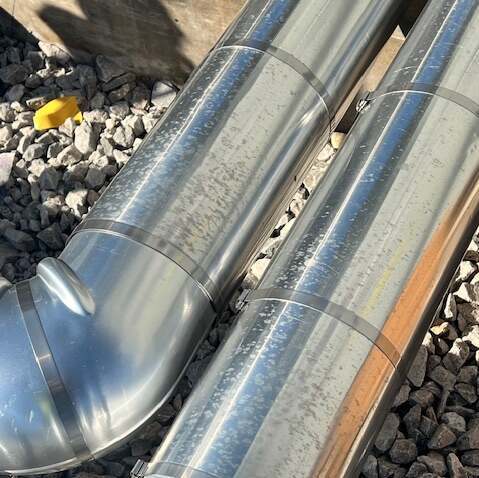
PE coating aluminum jacketing and Polysurlyn coating aluminum jacketing are two of the most widely used surface treatments for aluminum roll jacketing in industrial insulation.
While both protect the aluminum surface during transport and installation, they differ significantly in materials, function, durability, and cost. Understanding these differences helps engineers and contractors select the right product for their project requirements.
Choosing the right aluminum jacketing coating — whether PE coating aluminum jacketing or Polysurlyn — affects both installation cost and long-term system performance.
According to Wikipedia, aluminum jacketing is commonly used as the outer protective layer for industrial pipe and equipment insulation, where surface protection and moisture resistance are critical performance factors.
What Is PE Coating Aluminum Jacketing?
PE coating aluminum jacketing refers to aluminum coil or sheet that has a single layer of polyethylene (PE) film applied to its surface. This PE film is primarily used as a temporary protective layer during manufacturing, storage, and shipping.
It prevents scratches and surface damage but does not provide meaningful moisture or corrosion resistance. The PE film is usually transparent blue or white in color and is designed to be peeled off before or after installation.
PE coating aluminum jacketing is widely used in projects where surface protection during transport are the primary concern, and where the installed environment is dry or where a separate vapor barrier is already in place. For more information on our aluminum jacketing products, visit our Aluminum Jacketing product page.
What Is Polysurlyn Coating Aluminum Jacketing?
Polysurlyn coating aluminum jacketing features a 4-layer composite film permanently bonded to the aluminum surface using heat application.
The four layers consist of: (1) a UV protection film on the outer surface, (2) a color layer for identification,
(3) a PE film, and (4) an inner Dupont Surlyn layer that bonds firmly to the aluminum. This multi-layer construction gives Polysurlyn-coated aluminum its superior moisture barrier and corrosion resistance properties.
Because the Polysurlyn film is heat-applied and permanently bonded, it stays in place throughout the product’s service life. It acts as an effective vapor barrier, protecting the aluminum jacketing from moisture infiltration and corrosion — making it the preferred choice for outdoor applications, cold insulation systems, and high-humidity environments.
5 Key Differences Between PE Coating and Polysurlyn Coating Aluminum Jacketing
There are mainly 5 key differences between these two coating types:
1. Material Composition
PE coating is a simple single layer of polyethylene film. Polysurlyn has 4 composite layers: UV protection film, color layer, PE film, and Dupont Surlyn. The multi-layer structure of Polysurlyn provides significantly better protection.

2. Moisture Barrier Function
PE film is designed only to prevent surface scratches during transport — it cannot stop moisture penetration. Polysurlyn film functions as a genuine moisture barrier. It protects the aluminum jacketing from corrosion caused by condensation, rain, or high-humidity environments, making it essential for outdoor and cold insulation applications.
3. Adhesion and Durability
PE film is easy to tear off — it is meant to be removed after installation. Polysurlyn film is permanently heat-applied to the aluminum roll jacketing and is not easy to tear off. It remains bonded throughout the service life of the insulation system, providing long-term surface protection.
4. Cost Difference
The cost of applying PE film is approximately RMB 100/ton, while applying Polysurlyn film costs approximately RMB 4,200/ton on average. This significant price difference reflects the higher material cost of the Dupont Surlyn component and the more complex application process required for Polysurlyn coating.
5. Visual Appearance
PE film is transparent blue or white, giving PE coating aluminum jacketing a distinct visual appearance during handling. Polysurlyn film is not transparent — it provides an opaque surface finish that does not visually alter the aluminum beneath it and gives the product a more finished, professional appearance.
Aluminum Jacketing Product Photos

Polysurlyn applied aluminum roll jacketing:

Which Aluminum Jacketing Coating Should You Choose?
The decision between PE coating aluminum jacketing and Polysurlyn coating depends on your application requirements and budget. If your project requires only surface protection during transport and a separate vapor barrier is already in place.
In that case, standard PE-coated aluminum roll is a cost-effective and practical choice. The low cost of PE film application (around RMB 100/ton) makes it attractive for large-volume, budget-conscious projects.
However, if your application involves outdoor exposure, chilled piping, or high-humidity environments — such as LNG facilities, cold storage warehouses, or rooftop HVAC systems — Polysurlyn-coated aluminum jacketing is strongly recommended.
Its 4-layer structure and heat-bonded Dupont Surlyn film provide reliable moisture and corrosion resistance that lasts the full service life of the insulation system, without the need for additional vapor barrier materials.
For most industrial pipe insulation projects in marine, petrochemical, or refrigeration environments, the higher upfront cost of Polysurlyn is justified by its superior long-term performance and reduced maintenance requirements.
EcoIn supplies PE coating aluminum jacketing and Polysurlyn-coated rolls in various alloys (1060, 3003, 5052), tempers, and thicknesses, with both coating options available to order. Contact us for specifications and pricing tailored to your project requirements.
How to Order PE Coating Aluminum Jacketing
When placing an order, specify the alloy grade (1060, 3003, or 5052), the thickness (typically 0.4mm–1.2mm), the width, and the surface finish (smooth, embossed stucco, or corrugated).
EcoIn accepts custom orders with flexible MOQ for both domestic and export customers. Request a datasheet or sample before placing a large order to confirm the coating meets your project specification.
How to Select the Right Aluminum Jacketing: PE Coating vs Polysurlyn
Choosing between PE coating aluminum jacketing and Polysurlyn coating aluminum jacketing requires a careful assessment of your specific project requirements.
The decision ultimately comes down to four key factors: environmental exposure, budget constraints, installation method, and long-term performance expectations. Understanding these factors will help you make the most cost-effective and technically sound decision for your insulation project.
Environmental Exposure Assessment
The installation environment is the single most critical factor when choosing between PE coating and Polysurlyn aluminum jacketing.
For indoor mechanical rooms, chiller plants, and HVAC duct systems where humidity is controlled and UV exposure is minimal, PE coating aluminum jacketing delivers excellent performance at a lower cost. The polyethylene film provides adequate moisture protection for these controlled environments.
For outdoor pipe insulation, rooftop applications, or any installation exposed to rain, UV radiation, or temperature cycling, Polysurlyn coating aluminum jacketing is the superior choice.
The four-layer Polysurlyn composite film, including its DuPont Surlyn inner layer, provides hermetically sealedd vapor barrier that prevents moisture ingress under all weather conditions. Industrial facilities in coastal or high-humidity regions particularly benefit from Polysurlyn’s enhanced corrosion resistance.
Installation Considerations
PE coating aluminum jacketing is straightforward to install using standard metal jacketing tools and techniques.
Contractors familiar with aluminum jacketing installation will find the PE coating material easy to cut, bend, and fasten with standard stainless steel banding and screws. The material conforms well to curved pipe surfaces and straight duct sections alike.
Polysurlyn coating aluminum jacketing requires slightly more care during installation to preserve the integrity of the Polysurlyn film layer. Avoid sharp edges or abrasive surfaces that could puncture the coating.
Laps and seams should be sealed with compatible aluminum tape to maintain the vapor barrier at joints. Properly installed Polysurlyn aluminum jacketing delivers decades of maintenance-free service life even in demanding outdoor environments.
Total Cost of Ownership
While PE coating aluminum jacketing has a lower upfront material cost, it is important to consider the total cost of ownership over the service life of the insulation system.
In environments where PE coating is adequate, the material savings are genuine and beneficial. However, using PE coating aluminum jacketing in outdoor or high-moisture applications risks premature corrosion of the insulation system, leading to costly replacement of both the jacketing and the underlying insulation.
Polysurlyn coating aluminum jacketing represents a higher initial investment that pays for itself through extended service life and elimination of maintenance costs.
For outdoor applications, this premium for Polysurlyn over PE coating aluminum jacketing is typically recovered within the first few years through avoided repair and replacement expenses. EcoIn’s Polysurlyn aluminum jacketing is manufactured to meet ASTM C1729 specifications, ensuring consistent quality and long-term performance reliability.
EcoIn PE Coating and Polysurlyn Aluminum Jacketing
EcoIn Group manufactures both PE coating aluminum jacketing and Polysurlyn aluminum jacketing to the highest quality standards.
Our aluminum jacketing products are available in a range of thicknesses from 0.4mm to 1.0mm, with smooth or embossed stucco surface finishes.
Both PE coating and Polysurlyn coating variants are available with corrugated or flat profiles to suit different installation requirements. Contact our technical team for product specifications and pricing for your specific application.
For technical data sheets, product samples, or pricing on PE coating aluminum jacketing and Polysurlyn aluminum jacketing, contact EcoIn Group at insulationecoin.com. Our team of insulation specialists is available to help you select the optimal aluminum jacketing solution for your specific project requirements and environmental conditions.