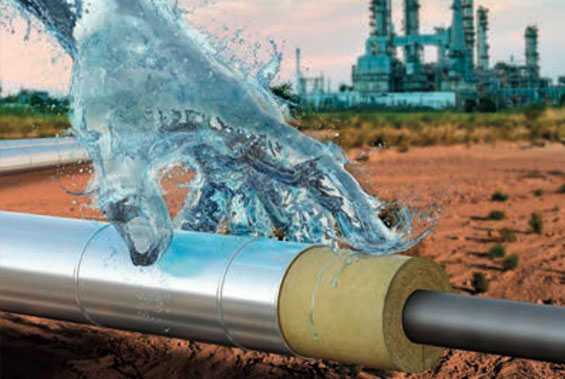
Industrial Insulation Trends Shaping the Future of Energy Efficiency
Industrial insulation trends are rapidly evolving as industries worldwide face mounting pressure to reduce energy consumption, cut costs, and meet stricter environmental regulations. Understanding these trends is essential for procurement managers, engineers, and facility owners seeking competitive insulation solutions that deliver long-term value and measurable return on investment.
The overall direction in industrial insulation is towards more energy-efficient, environmentally friendly, and cost-effective solutions. There is an increasing focus on reducing energy consumption and greenhouse gas emissions, which has led to a growing demand for insulation materials with higher thermal performance and lower lifecycle costs across all major industrial sectors.
Top 5 Industrial Insulation Trends in 2024
1. High-Performance Thermal Materials
New insulation products with improved properties, such as aerogels and vacuum insulation panels, are gaining significant traction across industries worldwide. These materials offer substantially lower thermal conductivity than traditional options, enabling thinner installations with superior performance in space-constrained industrial environments such as offshore platforms, data centers, and chemical processing facilities.
According to Wikipedia’s overview of thermal insulation, advanced materials now achieve thermal conductivities as low as 0.015 W/(m·K), making them ideal for high-temperature industrial pipe insulation applications where space and weight are at a premium.
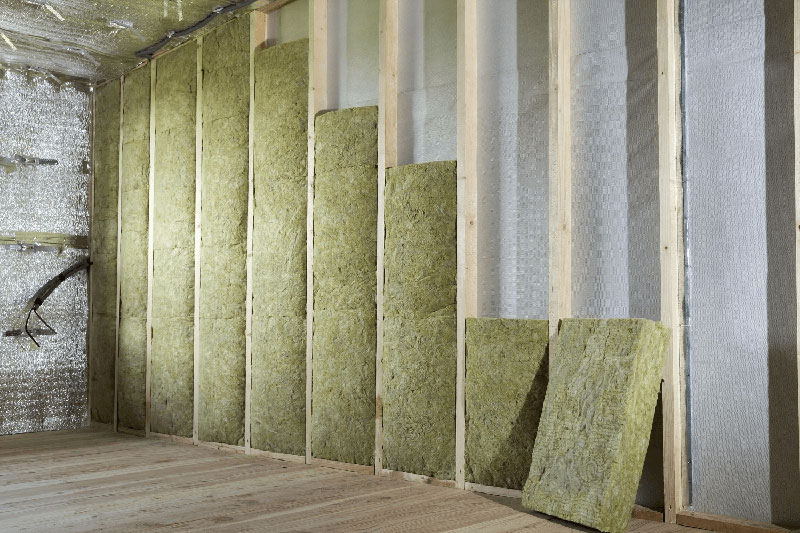
Glass wool and mineral wool remain the workhorses of the industry, offering a proven combination of thermal performance, fire resistance, and cost-effectiveness. These industrial insulation trends toward high performance do not eliminate traditional materials but rather push manufacturers to develop improved grades and formulations.
2. Sustainable and Recycled Insulation Materials
There is a strong and growing trend towards the use of more sustainable insulation materials, including recycled content products, plant-based insulation, and biodegradable alternatives. This is in response to growing concern about the environmental impact of traditional insulation materials and the need to meet corporate ESG (Environmental, Social, and Governance) targets.
Manufacturers are now offering products with high recycled content and low embodied carbon to help clients meet their sustainability targets. Products such as glass wool insulation from EcoIn are manufactured with up to 30% recycled glass content, helping industrial facilities achieve sustainability targets without compromising thermal or acoustic performance.
Life Cycle Assessment (LCA) is becoming a standard part of the specification process for industrial insulation projects. Buyers now request Environmental Product Declarations (EPDs) to compare the embodied carbon of competing insulation systems before making purchasing decisions.
3. Digital Technologies and BIM Integration
There is a major trend towards the use of digital technologies, such as Building Information Modeling (BIM) and computer simulations, in the insulation industry. These technologies are helping to optimize insulation design, improve installation accuracy, and significantly reduce material waste on industrial projects of all scales.
BIM-integrated insulation specifications allow engineers to simulate heat loss scenarios and choose the optimal insulation thickness before construction begins, saving significant costs over a building’s lifecycle. This is one of the most impactful industrial insulation trends for large-scale industrial and commercial projects.
Digital twin technology is also emerging — creating virtual replicas of industrial insulation systems that can be monitored and optimized in real time. These innovations reduce energy losses and allow maintenance teams to identify degraded insulation before it causes significant heat loss or safety issues.
4. Fire Safety and Code Compliance
Modern industrial insulation trends increasingly reflect tighter fire safety requirements globally. Insulation systems must meet standards such as ASTM E84 for flame spread and smoke development. Non-combustible mineral wool and glass wool products are seeing increased demand precisely because they satisfy stringent fire codes in petrochemical plants, power stations, hospitals, and commercial buildings.
Compliance with international fire safety standards is now a baseline requirement rather than an optional upgrade, driving specifiers toward proven non-combustible insulation systems. Regulations in many countries now mandate the use of Class A fire-rated insulation materials in all new industrial construction and major renovation projects.
As part of broader industrial insulation trends toward safety, insulation contractors are increasingly required to provide documentation proving that installed materials meet the specified fire rating classifications. Third-party testing certificates and compliance documentation are now standard deliverables on major projects.
5. Prefabricated and Modular Insulation Systems
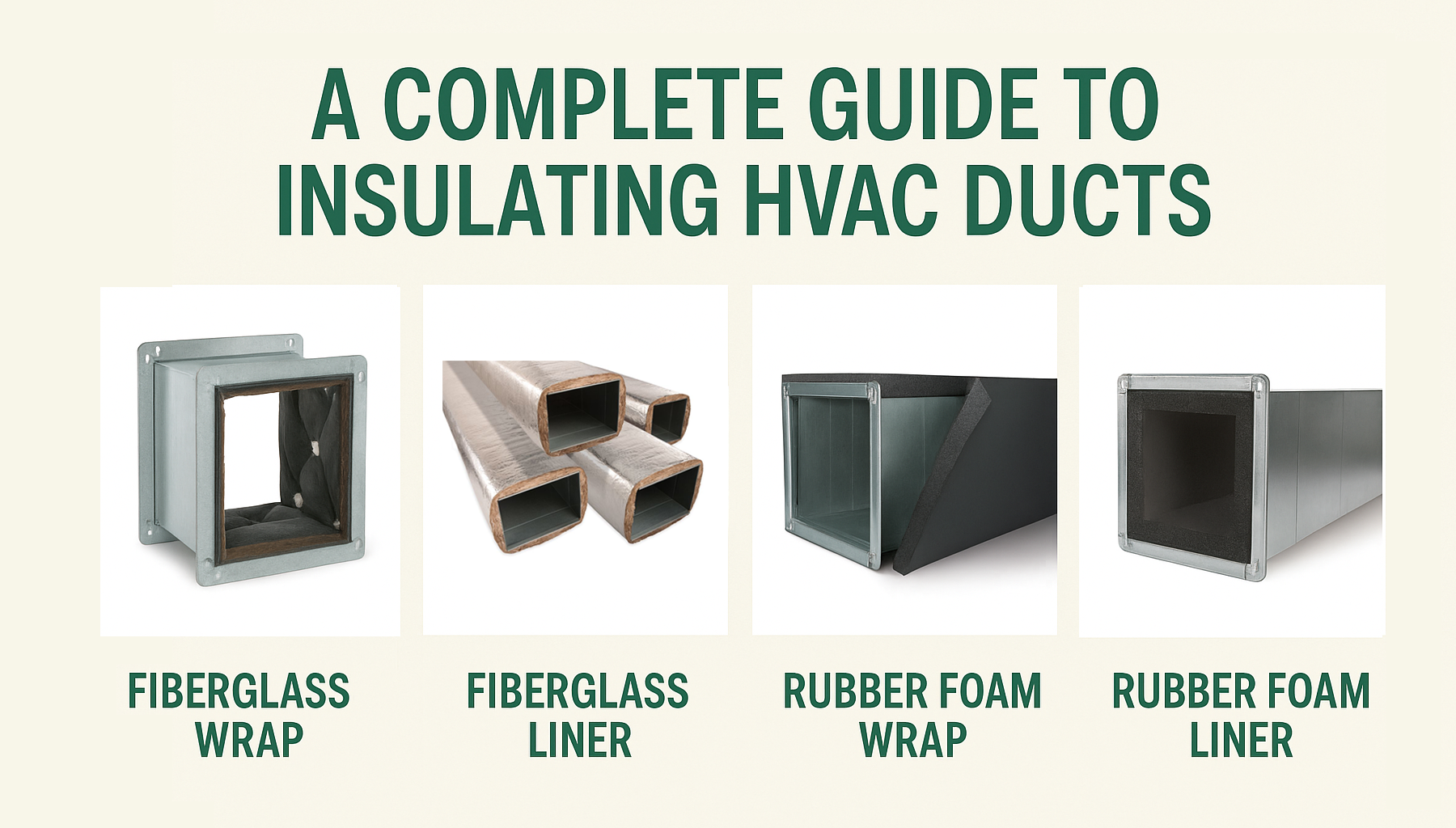
Prefabricated pipe insulation sections, pre-cut duct insulation boards, and modular jacketing systems are becoming the norm on large industrial projects. These factory-made components reduce on-site labor time, improve quality consistency, and lower the overall installed cost of industrial insulation systems significantly.
Modular systems also reduce waste and improve site safety by minimizing the need for cutting and fitting operations in the field. As labor costs rise globally, the economic case for prefabricated insulation systems continues to strengthen. This trend aligns with broader construction industry moves toward off-site fabrication and lean construction methodologies.
Why Industrial Insulation Trends Matter for Your Business
Keeping pace with industrial insulation trends allows businesses to reduce energy bills, comply with evolving building codes, and demonstrate environmental responsibility to clients and regulators alike. Organizations that invest in high-performance insulation consistently see payback periods of two to five years, making insulation one of the highest-ROI capital expenditures available to facility owners.
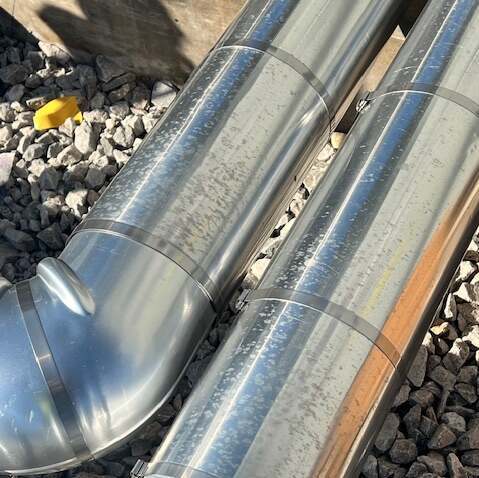
Choosing the right insulation partner — one who understands these shifts and offers products aligned with modern requirements — is a decisive strategic advantage in today’s competitive market. Whether you are specifying glass wool for an HVAC duct system, mineral wool for a petrochemical plant, or aluminum jacketing for pipe protection, partnering with an experienced manufacturer is essential.
EcoIn Group specializes in high-performance glass wool and mineral wool insulation products that align with today’s most important industrial insulation trends, from energy efficiency and fire safety to sustainability and digital compatibility. Explore our glass wool solutions to learn how EcoIn can support your next industrial insulation project with products that meet international standards and deliver long-term performance.
How to Choose the Right Industrial Insulation Partner
With so many industrial insulation trends reshaping the market, selecting the right manufacturing partner is more important than ever. The ideal supplier offers not only a broad product range but also technical support, fast delivery, and proven quality management systems such as ISO 9001 certification.
When evaluating suppliers, consider the following criteria: thermal performance data from accredited third-party laboratories, fire safety certifications (such as CE marking in Europe or UL listing in North America), sustainability credentials including recycled content and EPDs, and the ability to provide prefabricated or custom-cut products to reduce on-site labor.
EcoIn Group meets all these criteria. With decades of manufacturing experience, our glass wool and mineral wool products are tested to international standards and trusted by contractors and facility owners across Asia, the Middle East, and North America. Contact us today to discuss your industrial insulation project requirements.
Regional Perspectives on Industrial Insulation Trends
Industrial insulation trends are not uniform across all regions. In North America, energy codes such as ASHRAE 90.1 drive demand for high-performance pipe and duct insulation in commercial and industrial buildings. Contractors and engineers must specify insulation systems that meet or exceed minimum R-value requirements across all climate zones, pushing the market toward thicker glass wool and mineral wool applications.
In the Middle East and Asia Pacific, rapid infrastructure development and extreme ambient temperatures are key drivers. High-temperature pipe insulation for petrochemical plants and district cooling systems for large-scale urban developments are among the fastest-growing application segments. These markets are particularly receptive to industrial insulation trends such as prefabricated systems and digital specification tools, as they enable faster project completion and higher quality outcomes on complex engineering projects.
European markets lead in sustainability-driven industrial insulation trends. Stringent carbon reduction targets under the EU Green Deal are accelerating the shift toward insulation materials with Environmental Product Declarations (EPDs) and low Global Warming Potential (GWP). The circular economy agenda is also driving demand for insulation products with high recycled content and end-of-life recyclability.
Industrial Insulation Trends: Key Takeaways
The industrial insulation industry is undergoing a significant transformation driven by energy efficiency regulations, environmental responsibility, digital technology, fire safety requirements, and the push toward modular construction methods. Staying ahead of these industrial insulation trends is essential for any manufacturer, contractor, or facility owner who wants to remain competitive and compliant in today’s market.
Key points to remember: high-performance materials like aerogels are supplementing traditional glass wool and mineral wool; sustainability credentials including recycled content and EPDs are now procurement requirements; BIM and digital twin technology are reshaping how insulation is specified and monitored; fire safety compliance is non-negotiable; and prefabricated systems are delivering significant labor cost savings on large projects.
EcoIn Group is committed to staying at the forefront of industrial insulation trends. Our range of glass wool, mineral wool, and aluminum jacketing products is continually developed to meet evolving market demands, regulatory requirements, and customer specifications. We invite engineers, contractors, and procurement professionals to explore our product range and contact our technical team to discuss how we can support your next industrial insulation project.
Frequently Asked Questions About Industrial Insulation Trends
What is driving the shift toward more sustainable industrial insulation materials? The main drivers are corporate ESG commitments, government carbon reduction targets, and customer demand for green building certifications such as LEED and BREEAM. Industrial insulation manufacturers are responding by increasing recycled content, reducing manufacturing emissions, and providing detailed Environmental Product Declarations.
How does BIM integration benefit industrial insulation projects? BIM allows engineers to model insulation systems in 3D, simulate thermal performance across different climate conditions, and generate accurate material take-offs before construction begins. This reduces material waste, speeds up procurement, and improves installation quality — all of which are critical on large industrial projects with tight schedules and budgets.
Which industrial insulation trends are most relevant for petrochemical plants? Fire safety compliance, high-temperature performance, and corrosion under insulation (CUI) prevention are the top priorities for petrochemical applications. Non-combustible mineral wool and properly detailed aluminum jacketing systems are the standard solution, and industrial insulation trends toward better jacketing sealing systems and moisture management are particularly relevant for this sector.