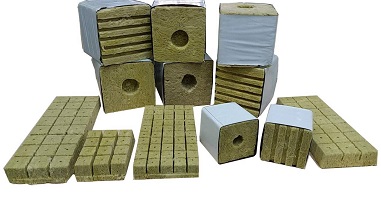
hydroponics rockwool, (also known as horticultural stone wool or horticultural mineral wool) is an inorganic solid growing medium. It’s made up of 60% of diabase, 20% of limestone and 20% of coke. After melting under a high temperature of 1600 ℃, it will be spin to 0.005mm fiber and compressed into blocks. The weight is usually 70 ~ 90kg/m3.
Hydroponic rockwool has good air permeability and water retention performance. After the high temperature of 1600 ℃, it’s sterile and non-pollution. So it becomes main growing substrate for hydroponic systems in world.
It has below advantages compared to other growing medium:
1.Issues of water, nutrients and oxygen supply can be easily solved.
NFT cultivation supply oxygen mainly by using oxygen device, or water spray.
But Rock wool has good ventilation. It can coordinate the relationship between fertilizer, water and oxygen without adding other devices.
2.Rock wool has the ability of water absorbing (as high as 600%).
Water and nutrient can be easily reserved by rockwool. It can create a stable growth environment for the crops roots, and less affected by the outside.
At the same time, due to the evenness of stone wool, the supply of nutrient solution and oxygen at different positions in the cultivation bed will be similar. It won’t cause big difference between plants.
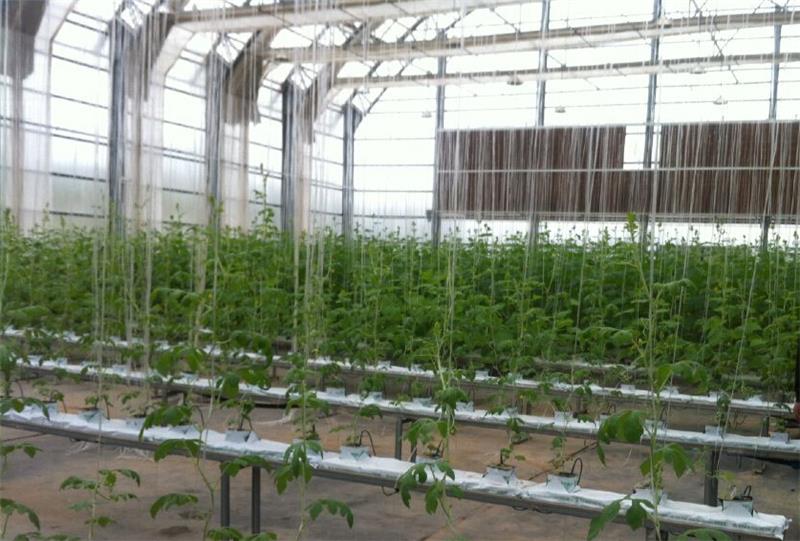
3.Rock wool cultivation device is simple. It’s easy to install and use, and is not restricted by horizon level.
The system only needs rock wool mattress, UV-resistant plastic film, and drip irrigation device.
Because of drip irrigation, rock wool culture has less strict requirements on ground slope than NFT. Also the supply times of nutrient solution can be greatly reduced. Water and electricity can be greatly saved.
4.Rock wool itself does not spread disease, insects and weeds.
Soil borne disease is rare during the process of cultivation. It can be continuous used for 1 ~ 2 years in case of non-serious disease, or re-use after disinfection.
5.The stonewool is light in quality and remains high strength after being soaked in water.
It can be used for vertical hydroponics farming balcony cultivation, or seedling growth.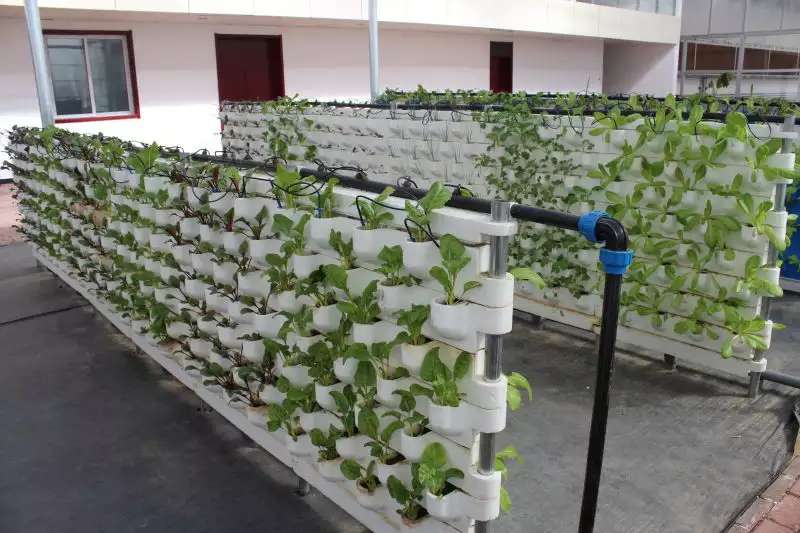
What is Hydroponics Rockwool?
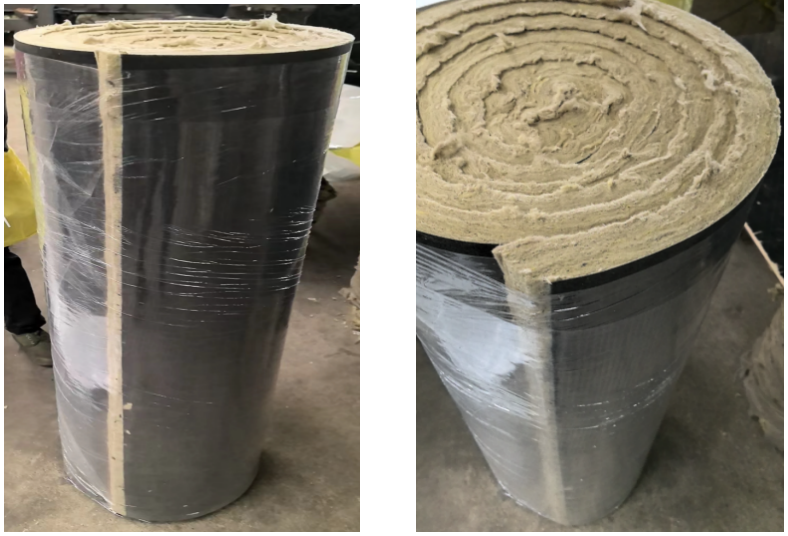
rockwool substrate is a mineral-based growing medium made from spun basalt rock and chalk fibres, widely used in hydroponic and soilless growing systems. Unlike traditional soil, hydroponics rockwool provides an inert, sterile environment that gives growers full control over nutrient delivery and root oxygenation. According to Wikipedia, mineral wool (rockwool) has been used in horticulture since the 1960s and remains one of the most popular substrates for commercial crop production worldwide.
this growing medium is manufactured by melting basalt rock and chalk at temperatures above 1,600°C, then spinning the molten material into fine fibres. The resulting product is lightweight, pH-neutral after treatment, and able to hold both water and air simultaneously — properties that make it ideal for plant root development in controlled growing environments.
5 Key Benefits of Hydroponics Rockwool
Growers around the world choose rockwool for several compelling reasons. Below are the five most important benefits that make it the preferred substrate for professional hydroponic operations.
1. Superior Water Retention
Hydroponics rockwool can hold up to 80% water by volume while still retaining around 20% air space. This balance ensures that roots receive consistent moisture without becoming waterlogged. Consistent hydration is critical for fast plant growth, and this substrate delivers this more reliably than many alternative substrates.
2. Excellent Aeration for Root Health
Root oxygenation is one of the most important factors in hydroponic cultivation. Hydroponics rockwool’s fibrous structure creates a network of air pockets that allows roots to breathe freely. Adequate oxygen at the root zone promotes faster nutrient uptake, reduces the risk of root rot, and supports vigorous vegetative growth.
3. pH Neutrality and Inert Properties
Once treated (pre-soaked at pH 5.5–6.5), the growing medium is chemically inert and does not interact with nutrient solutions. This means growers can dial in precise nutrient formulations without the medium interfering. The inert nature of hydroponics rockwool makes it suitable for growing vegetables, herbs, flowers, and fruiting crops with equal effectiveness.
4. Sterile and Disease-Free Starting Environment
Because mineral wool substrate is manufactured at extremely high temperatures, it is completely sterile upon production. This eliminates the risk of soil-borne pathogens, pests, and weed seeds that can compromise crops in traditional growing. Hydroponics rockwool’s sterility gives new seedlings and cuttings the cleanest possible start.
5. Versatility Across Crop Types and Systems
rockwool is available in multiple formats — cubes, slabs, and loose granulate — making it compatible with drip systems, nutrient film technique (NFT), deep water culture (DWC), and ebb-and-flow setups. Whether you are propagating seeds, rooting cuttings, or growing full-cycle crops, hydroponics rockwool adapts to your system requirements.
How to Use this medium Correctly
To get the best results from hydroponics rockwool, pre-soak the cubes or slabs in pH-adjusted water (5.5–6.0) for at least one hour before planting. This neutralises the naturally alkaline pH of fresh rockwool. Avoid oversaturating the medium; allow a slight dry-down cycle between irrigation events to encourage root development. For best performance, pair the substrate with a complete nutrient solution formulated for hydroponic use.
EcoIn Mineral Wool and Insulation Products
EcoIn Group specialises in high-performance glass wool and mineral wool insulation products for industrial, commercial, and HVAC applications. While our core range focuses on thermal and acoustic insulation, our expertise in mineral fibre technology gives us deep insight into the properties that make rockwool-based products outstanding performers across diverse applications.