Normally we will check below 3 points:
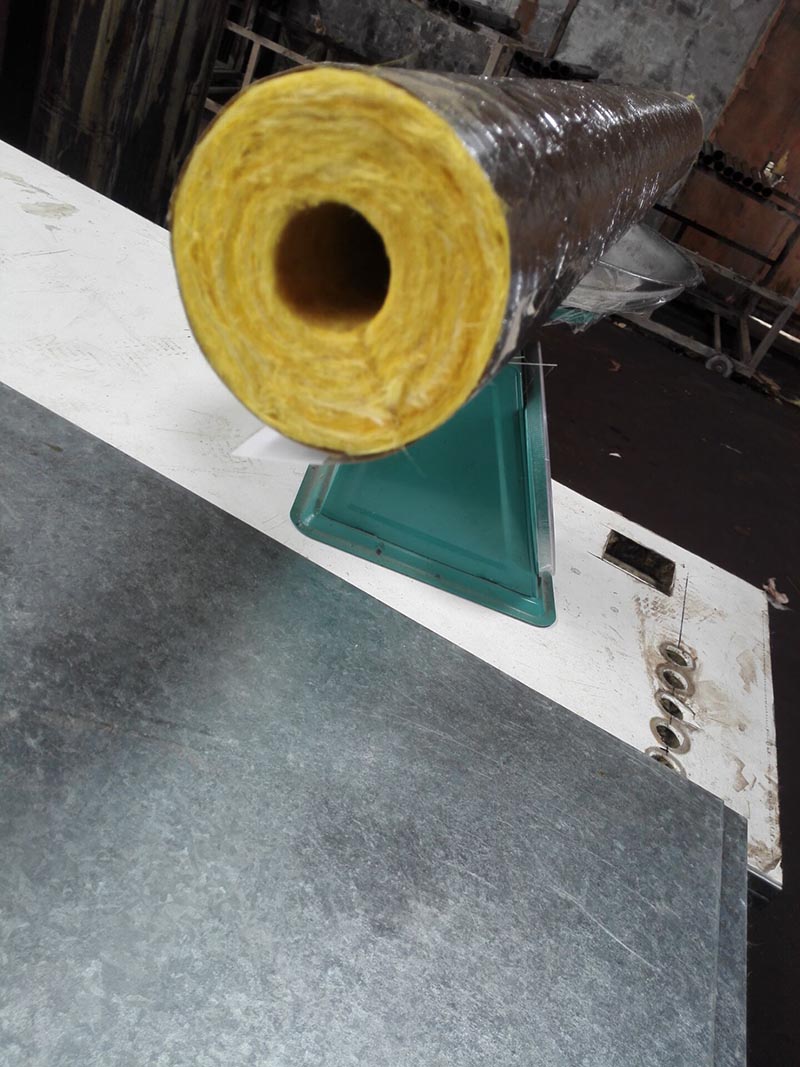
- The uniformity of thickness. Uniformity thickness will create thermal bridge, which will large reduce the effect of insulation.
- whether the hole of the pipe is in the center;
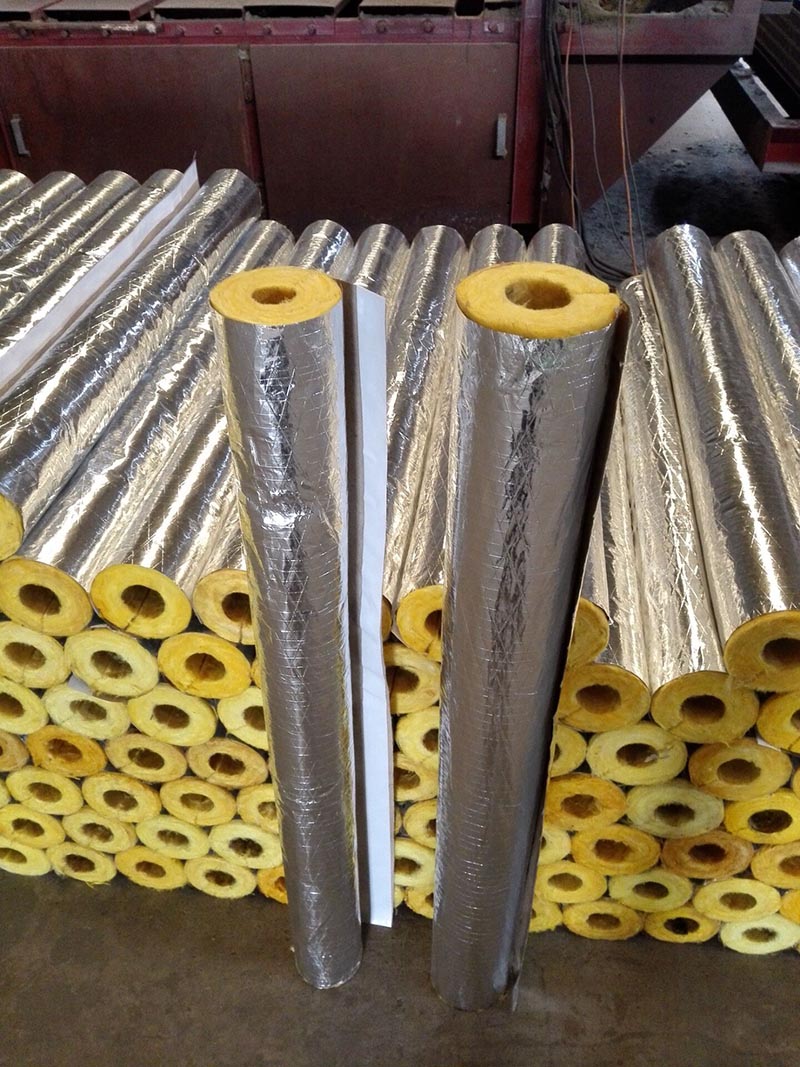
- Whether the density of the pipe can reach said density. This is important. Because density will affect the strength of the insulation. Ecoin glass wool pipe can bare a man standing on it.


Glass Wool Pipe Quality: Complete Buyer’s Guide
Understanding glass wool pipe quality is essential for procurement managers and project engineers sourcing industrial insulation. Glass wool pipe quality directly affects the thermal performance, durability, and cost-efficiency of your pipe insulation system. This guide covers the key indicators you must evaluate before purchasing glass wool pipe from any manufacturer.
Glass wool, also known as fiberglass insulation, is a type of mineral wool produced from recycled glass that is spun into fine fibers. When formed into pipe sections, it provides excellent thermal and acoustic insulation for both hot and cold pipe systems.
5 Key Indicators of Glass Wool Pipe Quality
1. Uniformity of Wall Thickness
The first indicator of glass wool pipe quality is the uniformity of wall thickness around the entire circumference of the pipe section. Non-uniform thickness creates thermal bridges — localized areas where heat transfer is significantly higher than the surrounding insulated surface. Even a 10% variation in thickness can reduce the effective R-value of the insulation system. When evaluating glass wool pipe quality, use a digital caliper to measure at least 8 equally spaced points around the pipe and verify that variation stays within ±5%.
2. Centered Inner Bore
A concentric inner bore is a critical sign of consistent glass wool pipe quality. The hole through which the pipe passes must be precisely centered. An off-center bore creates uneven insulation thickness — thinner on one side, thicker on the other. This asymmetry causes uneven heat loss and can accelerate condensation issues in cold pipe applications. During quality inspection, insert a round pipe into the bore and check that the gap between pipe and insulation is equal on all sides.
3. Density Meets Specification
Density is the most important glass wool pipe quality parameter. EcoIn glass wool pipe sections are available from 10 kg/m³ to 96 kg/m³, and the actual delivered density must match the specified density within ±5%. Low-density glass wool pipe does not hold its shape under load and compresses over time, reducing its insulation effectiveness. EcoIn glass wool pipe can withstand a person standing on it — a practical demonstration of high glass wool pipe quality and structural integrity.
4. Surface Facing Integrity
Most glass wool pipe sections include a facing — either aluminum foil (AF), aluminum foil scrim kraft (AFSK), or ASJ (all-service jacket). The quality of this facing is part of overall glass wool pipe quality. Check that the facing adheres uniformly with no bubbles, delamination, or tears. The lap seam must be pre-sealed or come with self-sealing adhesive that bonds reliably at the installation site. Damaged facing allows moisture ingress and significantly reduces the pipe system’s long-term performance.
5. Biopersistence and Fiber Diameter
High-quality glass wool pipe is made from biosoluble fibers with a diameter above 6 micrometers, which are classified as non-carcinogenic by international health standards. Request a Safety Data Sheet (SDS) and technical data sheet from your supplier to confirm fiber diameter and applicable certifications such as EUCEB. This is a compliance requirement in many markets and an indicator of manufacturer transparency.
Why Choose EcoIn for Glass Wool Pipe
EcoIn manufactures glass wool pipe sections that pass all five quality indicators above. Our production lines use continuous rotary fiberization for consistent density, and every batch is tested before shipment. Explore our full range of glass wool products to find the right specification for your project.
Frequently Asked Questions
How do I test glass wool pipe quality on-site?
Use a digital caliper to check wall thickness, visually inspect the bore center, and weigh a standard length section to verify density against the manufacturer specification.
What density should I specify for HVAC pipe insulation?
For HVAC ductwork and pipe insulation, a density of 24–48 kg/m³ provides a good balance of thermal performance, acoustic attenuation, and mechanical stability. For higher-temperature applications above 120°C, specify 64 kg/m³ or above.