Products Description
ASJ Facing refers to a type of facing material commonly used in insulation systems. The acronym “ASJ” stands for Aluminum/Scrim/Kraft, representing its key components. This facing material combines layers of aluminum foil, a reinforcing scrim (often made of glass fiber), and a layer of Kraft paper.
Composition:
- Aluminum Foil: Provides excellent thermal insulation properties, serving as a reflective layer.
- Scrim (Glass Fiber): Reinforces the facing material, enhancing strength and durability.
- Kraft Paper: Adds structural support and contributes to the overall robustness of the facing.
Product Datasheet
| FACING COMPOSITION | DESCRIPTION | VALUES(ENGLISH) | VALUES(METRIC) |
|---|---|---|---|
| Foil | Aluminum | 0.000236 inch | 6.0 micron |
| Adhesive | Bonding adhesive | – | – |
| Reinforcing | Tri-directional Fiberglass | 4 / inch (MD)
4 / inch (XD) |
16 / 100 mm (MD) 16 / 100 mm (XD) |
| White Kraft Paper | pure wood pulp | 28 lbs / 3000 ft² | 45 g / m² |
| PHYSICAL PROPERTIES | TEST METHOD | VALUES(ENGLISH) | VALUES(METRIC) |
|---|---|---|---|
| Basis Weigh | Scale | 15 lbs / 1000 ft² | 73 g / m² |
| Bursting Strength | ASTM D774 | 40 psi | 2.8 kg / cm² |
| Tensile Strength | ASTM C1136 | 33 lbs/inch width (MD)
20 lbs/inch width (XD) |
5.8 kN / m (MD)
3.5 kN / m (XD) |
| Thickness | Micrometer | 0.0045 inch | 115 micron |
| FIRE TESTING | |
|---|---|
| ASTM E84 Foil Side | |
| Flame Spread | ≤25 |
| Smoke Developed | ≤50 |
Physical Properties based upon statistical averages, Weight / Thickness +/- 10%
Function
ASJ Facing serves multiple functions within insulation systems:
1.Thermal Insulation: The aluminum foil layer effectively reflects and reduces heat transfer, contributing to thermal insulation.
2.Strength and Durability: The inclusion of scrim and Kraft paper enhances the facing’s strength, making it resilient during installation and usage.
3.Moisture Resistance: The aluminum foil provides moisture resistance, protecting the underlying insulation material from humidity and water ingress.
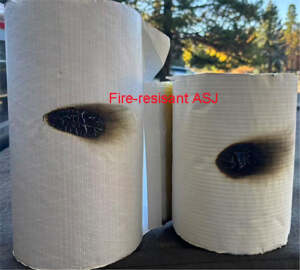
4.Flame Retardancy: ASJ Facing is often designed to be flame-retardant, enhancing the safety of the insulation system.
Applications
ASJ Facing finds widespread application in various sectors, including:
1.Building Construction: Used in insulation systems for walls, roofs, and floors to regulate temperature.
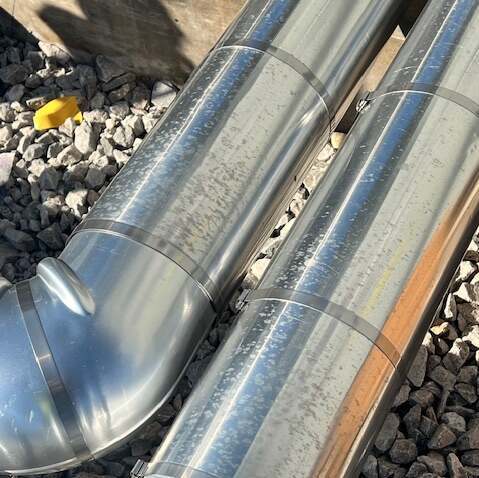
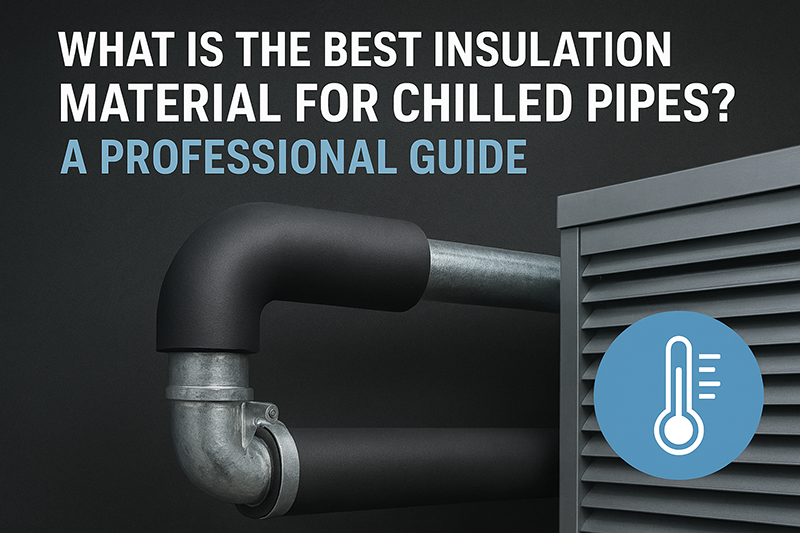
2.Piping Insulation: Applied to insulate pipes in industrial and commercial settings, providing thermal and moisture control.
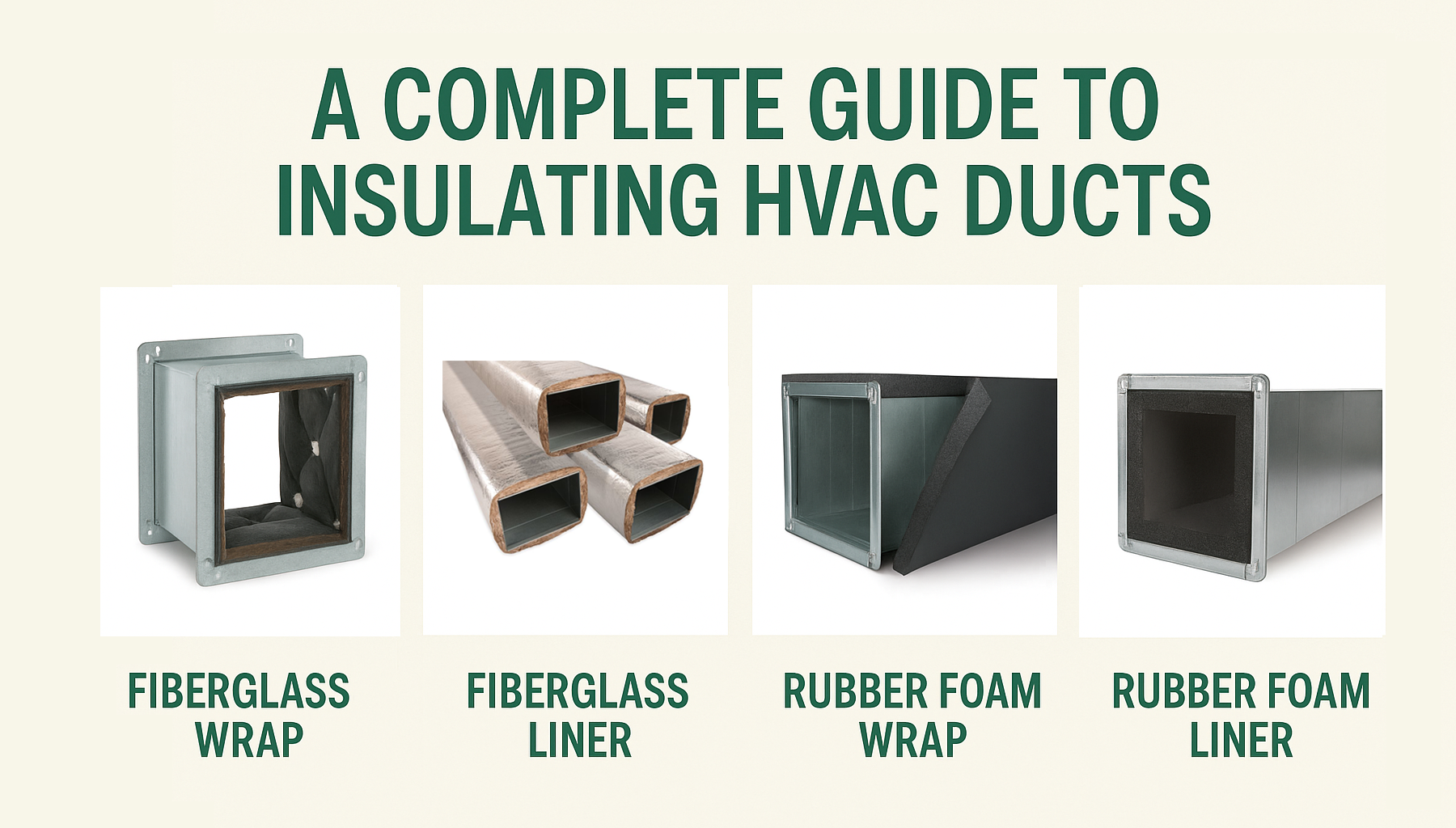
3.HVAC Systems: Employed in air ducts and HVAC (Heating, Ventilation, and Air Conditioning) systems for thermal management.
4.Industrial Insulation: Utilized in diverse industrial applications where effective insulation is crucial.
ASJ Facing — Overview and Applications
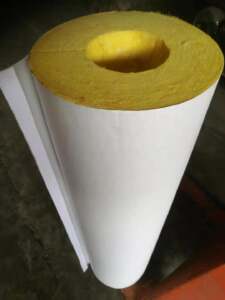
ASJ facing (Aluminum/Scrim/Kraft) is a vapor-retarder laminate widely applied as the outer jacket on pipe and duct insulation in commercial and industrial buildings. It consists of three bonded layers: an aluminum foil reflective barrier, a fiberglass scrim reinforcement, and a kraft paper backing. Together these layers deliver low vapor permeability, tear resistance, and a clean surface for printing and labeling.
According to the Wikipedia article on thermal insulation, reflective facings like this laminate play a key role in reducing radiant heat transfer in building envelope and mechanical insulation systems. The material complies with ASTM C1136 Type II, the industry standard specification for flexible vapor retarders used in thermal insulation.
This jacket material is used on a wide range of insulation products, including fiberglass pipe insulation, glass wool blanket, and mineral wool boards. It is especially valued in HVAC duct systems and cold-water pipe applications because its foil layer blocks moisture vapor from reaching the insulation core — preventing condensation and mold growth. EcoIn supplies this product as both finished pipe sections and as roll stock for downstream fabricators. Visit our glass wool insulation page to see products that commonly ship with this vapor-barrier laminate.
Why Choose EcoIn ASJ Facing?
- ASTM C1136 Type II compliant — meets North American specification for flexible vapor retarders
- 6-micron aluminum foil layer — provides ≥0.02 perm vapor barrier performance
- Tri-directional fiberglass scrim — resists tearing during installation and handling
- Self-sealing lap — optional pressure-sensitive adhesive lap for faster field closures
- Custom printing available — white kraft surface accepts branding, safety labels, and UL listings
Frequently Asked Questions about ASJ Facing
How to Select the Right ASJ Facing Grade
Selecting the appropriate grade of ASJ facing starts with understanding the service temperature, vapor pressure differential, and mechanical demands of the application. For standard HVAC duct systems operating between 40°F and 250°F (4°C and 121°C), a Type II ASJ facing rated to 0.02 perm is the industry default and satisfies most building codes and energy-efficiency standards.
For cryogenic pipe or refrigeration lines where vapor drive is especially high, specifiers sometimes select a heavier foil laminate or add a second vapor barrier layer. In outdoor applications where ultraviolet exposure is possible, an additional aluminum weather-barrier jacketing — such as smooth aluminum sheet or embossed aluminum jacket — is applied over the ASJ facing to protect the kraft paper layer from UV degradation and rain.
When ordering ASJ facing for fabrication, key parameters to confirm with the supplier include: foil gauge (standard is 6 microns), scrim count (typically 4×4 or 5×5 glass yarn per inch), kraft paper weight (standard is 25–30 g/m²), and the self-seal lap width (typically 1.5 inches or 38 mm). EcoIn engineers can assist with product selection — visit the glass wool product page or use the Get Quote form to request samples and datasheets.
Installation Tips for ASJ Facing
Proper installation of insulation products with ASJ facing ensures the vapor barrier remains continuous and effective. Installers should butt pipe sections tightly end-to-end, then seal the longitudinal staple tab with a compatible vapor-barrier tape — typically a 2-inch FSK or aluminum tape rated for the service temperature. All longitudinal seams and butt joints should be taped to prevent moisture infiltration through gaps in the facing system.
For duct applications, the self-seal lap (if present) is pressed firmly along the entire length and smoothed from the center outward to avoid air bubbles. Staples should be placed no more than 6 inches apart along the staple flap before taping. Following ASTM C1136 and local energy code requirements for sealing ensures that the installed vapor retarder meets the specified permeance performance.
ASJ Facing Standards, Testing, and Compliance
International buyers and project engineers often need to verify that insulation jacketing meets recognized standards before approving a shipment. The primary standard governing ASJ facing is ASTM C1136, which sets minimum performance thresholds for tensile strength, vapor permeance, water vapor transmission, and flame spread. EcoIn’s laminate product meets or exceeds all Type II requirements under this specification, making it suitable for use in North American commercial construction and HVAC projects governed by ASHRAE 90.1 and International Energy Conservation Code (IECC) requirements.
In European markets, the equivalent reference is EN 13469 (Thermal insulation for building equipment and industrial installations — Specification for prefabricated pipe insulation elbows) and EN 13162 for mineral wool products, which specify jacketing vapor resistance in terms of the µ-value (diffusion resistance factor). EcoIn can provide documentation confirming compliance with both North American and European requirements upon request, simplifying the import clearance and project approval process for buyers in diverse regulatory environments.
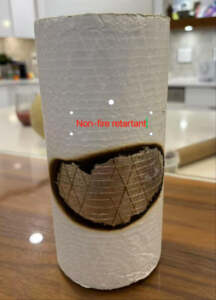
Fire performance is another critical compliance area for insulation jacketing. The aluminum foil surface of ASJ facing inherently provides low flame spread (typically Flame Spread Index ≤25, Smoke Developed Index ≤50 under ASTM E84), qualifying it for use in plenum and air-handling spaces where strict fire codes apply. This fire-rated performance differentiates ASJ facing from plain kraft paper vapor retarders, which do not meet plenum fire requirements without additional intumescent treatment.
Ordering ASJ Facing from EcoIn
EcoIn supplies ASJ facing both as a standalone roll material for insulation fabricators and as a factory-applied facing on glass wool pipe sections, blanket rolls, and board stock. Standard roll widths are 48 inches and 60 inches, with custom widths available for OEM accounts. Minimum order quantities vary by product form — contact our sales team via the Get Quote page for pricing, lead times, and sample requests. We typically ship within 15–25 business days for standard orders, with expedited production available for urgent project timelines.